

If you have ever been told a bathroom remodel will take “a few weeks” and wondered what that actually means, you are asking the right question. A bathroom remodel timeline explained in plain terms helps you set realistic expectations, plan around daily life, and avoid the frustration that comes from vague promises.
The truth is that not every bathroom follows the same schedule. A simple update with limited layout changes can move much faster than a full renovation that involves plumbing relocation, custom tile work, and special-order materials. Most homeowners are not looking for the fastest possible job at any cost. They want quality work, clear communication, and a timeline they can trust.
Bathroom remodel timeline explained by phase
For most standard bathroom projects, the full construction timeline often falls somewhere between two and six weeks once work begins. That range is wide for a reason. The size of the room, the condition of the existing space, material availability, inspection requirements, and the level of finish all affect the schedule.
Before construction starts, there is also a planning period. This can take anywhere from a few days to several weeks depending on how quickly selections are made and whether permits are needed. Homeowners sometimes focus only on the build phase, but planning is what keeps the job moving once demolition starts.
Phase 1: Planning, design, and selections
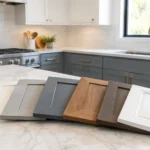
This is where a remodel succeeds or starts drifting off course. During planning, you define the scope, confirm the budget, measure the room, discuss layout changes, and choose materials such as tile, vanity, fixtures, lighting, paint, and glass.
If you are keeping the same footprint, this stage is usually more straightforward. If you are moving a shower, changing a tub to a walk-in shower, or reworking storage, the planning takes more coordination. Custom cabinetry, specialty tile, and backordered fixtures can also extend the pre-construction window. In many cases, this stage takes one to three weeks, though more customized projects can take longer.
Phase 2: Demolition
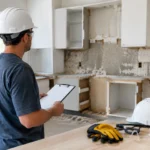
Demolition is often the shortest part of the visible job. In a typical hall bathroom or primary bathroom, demo may take one to three days. The crew removes old tile, vanities, fixtures, flooring, drywall in affected areas, and sometimes the tub or shower enclosure.
This is also when hidden conditions show up. Water damage behind a shower wall, subfloor issues around a toilet, or outdated plumbing can change the schedule. That does not mean the project is off track. It means the contractor found a problem before it became a more expensive one later.
Phase 3: Rough plumbing, electrical, and framing
Once the room is opened up, the behind-the-wall work begins. This can include updating supply lines, drains, shower valves, lighting locations, exhaust fans, outlets, blocking for grab bars, and any framing changes needed for niches or new layouts.
This phase usually takes two to five days, but it depends on the complexity of the remodel. If the bathroom layout is staying the same, the work is often quicker. If plumbing or electrical locations are moving, expect more time. In some cities, rough-in inspections can add a pause between work steps.
Phase 4: Inspections and prep for finishes
When permits are required, inspections are part of the schedule. Homeowners sometimes see inspection days as downtime, but they are an important checkpoint. A properly inspected remodel helps protect safety, code compliance, and long-term value.
After rough work is approved, the room is prepared for finishes. That may include insulation, drywall repair or replacement, waterproofing in wet areas, and surface preparation for tile. Depending on drying times and inspection scheduling, this phase can take two to four days.
Phase 5: Tile and flooring installation
Tile work is where timelines can vary quite a bit. A basic floor install may move quickly, while a detailed shower with custom patterns, niches, bench seating, and large-format wall tile will take longer. Tile setting itself is only part of the process. There is also layout planning, cutting, waterproofing, curing time, and grout.
For many bathroom remodels, tile and flooring take four to eight days. Natural stone, intricate designs, and uneven existing surfaces can extend that. This is one of the clearest examples of the trade-off between speed and craftsmanship. Rushing tile work almost always shows in the finished product.
Phase 6: Fixture and finish installation
Once the major surfaces are complete, the bathroom starts looking finished quickly. The vanity goes in, plumbing fixtures are connected, lights and mirrors are installed, the toilet is set, trim is completed, and paint touch-ups are handled.
This phase usually takes two to four days. Custom shower glass can be a separate timeline because measurements often happen after tile is complete. Fabrication and installation may add another one to two weeks depending on the supplier.
Phase 7: Final punch and walkthrough
The final step is not just cleaning the room and leaving. A good closeout process includes checking fixture function, testing drains, confirming grout and caulk details, reviewing the scope against the finished work, and handling minor adjustments.
Punch list items usually take one to two days. On a well-managed project, this is a short phase because questions and small issues were addressed along the way rather than saved for the end.
What causes bathroom remodel delays?
When homeowners ask for a bathroom remodel timeline explained honestly, delays have to be part of the conversation. Some delays are preventable. Others are simply part of renovation work, especially in older homes.
Material availability is one of the biggest schedule factors. A vanity that arrives damaged, tile that is suddenly out of stock, or plumbing trim that is delayed can affect installation order. This is why making selections early matters so much.
Hidden conditions are another common issue. Bathrooms deal with water every day, which means rot, mold, framing damage, and old plumbing are not unusual discoveries. The right contractor will show you the issue, explain the fix, and adjust the schedule clearly rather than covering it up.
Change orders also extend timelines. If you decide mid-project to swap tile, add recessed lighting, expand the shower niche, or change the vanity size, the crew may need to pause, reorder materials, or redo completed work. Sometimes the change is worth it. It just needs to be understood as a schedule decision, not only a design decision.
How long does a bathroom remodel take in real life?
For a cosmetic bathroom update, think closer to two to three weeks of construction. That might include replacing flooring, vanity, fixtures, paint, and some tile without major layout changes.
For a more complete renovation, three to five weeks is often more realistic. This is common when you are replacing the tub or shower, updating tile throughout, improving lighting, and making moderate plumbing or electrical updates.
For a higher-end primary bathroom remodel with custom tile, structural adjustments, specialty finishes, or custom cabinetry, five to six weeks or longer may be appropriate. A shorter promise is not always a better promise. What matters is whether the timeline matches the actual scope.
How to keep your remodel on schedule
Homeowners play a role in the timeline too. The smoothest projects usually happen when design decisions are made early, materials are approved before demo starts, and communication stays consistent throughout the job.
It also helps to prepare for temporary inconvenience. If this is your only full bathroom, you need a plan before work begins. If it is a primary bathroom, think through storage, morning routines, and access to other parts of the home. A realistic home plan reduces stress when the project is underway.
Working with an experienced remodeling contractor makes a real difference here. A company with established systems, trusted trades, and a clear process is more likely to keep the schedule organized than one trying to coordinate everything on the fly. For homeowners in North Texas, that consistency matters just as much as the finished tile or fixture choices.
A good timeline is specific, not vague
The best way to look at a bathroom remodel timeline is not as one magic number, but as a sequence of phases with real dependencies. Demo cannot solve a delayed fixture shipment. Tile cannot be rushed without affecting quality. Inspections and drying times are not wasted days. They are part of doing the job right.
That is why a trustworthy contractor will explain the timeline with some flexibility built in. At Oak Custom Remodeling, that kind of clarity helps homeowners in Sachse and the greater Dallas-Fort Worth area make better decisions before the first tool comes out.
If you are planning a bathroom remodel, ask for a schedule that shows what happens when, what could affect timing, and how communication will be handled if conditions change. A realistic plan may not sound as flashy as a rushed promise, but it usually leads to the result homeowners actually want – a bathroom that looks right, works well, and holds up for years.