
A bathroom remodel usually looks simple from the outside – new tile, better lighting, updated fixtures. What homeowners in Sachse and across DFW often find out a little later is that bathrooms are one of the easiest rooms to overspend on if the planning is rushed. Small space does not always mean small decisions.
If you are figuring out how to plan a bathroom remodel, the goal is not just to pick finishes you like. The real goal is to make clear decisions about budget, layout, materials, and timing before construction starts. That early planning is what keeps the project moving and helps you avoid the most common setbacks.
Start with the reason for the remodel
Before you look at tile samples or vanity styles, get specific about why you are remodeling the bathroom in the first place. A guest bath update has different priorities than a primary bathroom renovation. A family bathroom used every morning by multiple people needs a different layout than a powder room meant to impress visitors.
Some homeowners want a better look. Others need more storage, a larger shower, improved lighting, or a layout that works better as they age in place. If resale value matters, your choices may lean toward broad appeal rather than highly personal design features. When the purpose is clear, the rest of the planning gets easier.
This is also the stage where you decide whether the project is cosmetic or structural. Replacing finishes and fixtures is one category. Moving plumbing, removing walls, or changing the footprint is another. The more the layout changes, the more the budget and timeline can grow.
Set a realistic budget before design decisions take over
One of the biggest mistakes homeowners make when learning how to plan a bathroom remodel is building the design first and trying to fit the budget around it later. That usually leads to frustration and constant revisions.
Start with a total investment range you are comfortable with. Then break that number into practical categories: labor, materials, fixtures, tile, glass, cabinetry, lighting, paint, and a contingency amount for hidden issues. In older homes, especially, surprises behind walls are not rare. Water damage, outdated plumbing, or framing corrections can affect cost once demolition begins.
A good rule is to leave room in your budget for the things you cannot fully see yet. If every dollar is assigned to finishes, there is no flexibility when the project uncovers something that needs to be fixed.
It also helps to decide where you want to spend more and where you want to stay practical. For example, homeowners often benefit from investing in quality waterproofing, tile installation, and cabinetry while choosing more moderate-priced accessories or decorative details. You want the room to look good, but you also want it to perform well for years.
Think carefully about layout before you choose materials
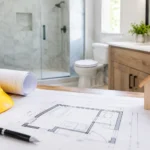
A beautiful bathroom that still feels cramped or awkward is a missed opportunity. Layout should come before color palettes.
Ask simple questions. Is the vanity large enough for daily use? Does the shower door swing into an inconvenient spot? Is there enough clearance around the toilet? Would a tub-to-shower conversion make the room more functional, or does the home still need at least one bathtub for family use or resale considerations?
This is where trade-offs matter. Keeping plumbing in the same location can save money, but it may limit how much the space improves. Moving the shower or toilet can create a much better layout, but it adds complexity. There is no universal right answer. It depends on your goals, the existing conditions, and how long you plan to stay in the home.
For many North Texas homeowners, practical improvements make the biggest impact. Better storage, stronger ventilation, improved lighting, and a larger shower often matter more in daily life than trend-driven features.
Choose materials for real use, not just showroom appeal
Bathroom materials need to handle moisture, frequent cleaning, and regular wear. A finish that looks great in a display can become less appealing if it is hard to maintain.
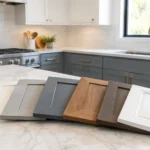
Tile is a good example. Large-format tile can create a clean, open look and reduce grout lines, which many homeowners appreciate. Mosaic tile can add detail and traction on shower floors, but it introduces more grout maintenance. Natural stone has a high-end appearance, but it may require more care than porcelain. Quartz counters are popular because they are durable and low maintenance. Painted cabinetry can look sharp, but the finish quality matters in a humid environment.
When selecting materials, think beyond the first impression. Ask how they will look after a few years of real use. Consider cleaning, durability, water resistance, and whether replacement parts will be easy to find later for plumbing fixtures or hardware.
Trends can be helpful for inspiration, but a bathroom remodel is usually a longer-term investment. The safest approach is often a timeless foundation with personality added through mirrors, lighting, hardware, or paint.
Plan for lighting, ventilation, and storage early
These are the features homeowners notice most after the remodel is done, especially if they were handled poorly before.
Lighting should be layered. Overhead lights alone rarely make a bathroom feel comfortable or functional. Vanity lighting matters for shaving, makeup, and daily routines. Shower lighting can improve both visibility and appearance. Dimmer switches can make the room more flexible.
Ventilation is just as important, even though it gets less attention. A bathroom fan that is properly sized and vented helps control moisture, reduce mildew risk, and protect paint and finishes. Skipping this detail can shorten the life of the remodel.
Storage deserves the same level of planning. Think about where towels, toiletries, cleaning supplies, and everyday items will actually go. A floating vanity may look sleek, but a furniture-style cabinet with drawers may serve your household better. Recessed niches, linen storage, and drawer organizers can make a bathroom feel much more usable without increasing square footage.
Understand the timeline and expect a few variables
Homeowners often ask how long a bathroom remodel will take, but the answer depends on scope. A straightforward update moves differently than a full tear-out with custom tile work, plumbing changes, permits, or specialty materials.
The best way to keep the timeline on track is to make decisions early. Delays often happen when materials are selected late, products arrive damaged, or key details are still being debated after work begins. Ordering fixtures, tile, cabinetry, and glass in the right sequence matters more than many people realize.
It also helps to prepare for normal construction realities. Bathrooms are compact spaces with a lot happening inside the walls. Trades need to work in sequence, inspections may affect scheduling, and custom items can take longer than expected. A well-managed project should still move with purpose, but a little flexibility is healthier than expecting a perfect day-by-day script.
Know what to ask before hiring a contractor
If you want a smoother experience, the planning phase should include contractor selection, not just design decisions. The right remodeling partner can help you refine scope, spot cost issues early, and avoid choices that look good on paper but create problems during construction.
Ask how the company handles scheduling, communication, change orders, and material coordination. Ask who is managing the project day to day and what the process looks like from estimate to completion. You should also look for a contractor with real bathroom remodeling experience, not just general handyman work.
This is where an established local company can make a difference. A contractor with a strong track record in the Sachse and greater DFW area is more likely to understand local home styles, permit expectations, and the level of communication homeowners expect. Oak Custom Remodeling has built its reputation around that kind of dependable, hands-on project execution.
How to plan a bathroom remodel without second-guessing every choice
The simplest way to stay confident is to make decisions in the right order. Start with goals, then budget, then layout, then materials and details. That sequence keeps the project grounded in function instead of impulse.
You do not need to know every product name or design term before you begin. You do need a clear sense of what is not working, what matters most, and what level of investment makes sense for your home. Once those pieces are in place, the remodel becomes much easier to manage.
A well-planned bathroom remodel should feel better every day after it is finished, not just look better in photos. If your decisions support comfort, durability, and the way your household actually lives, you are planning it the right way.