

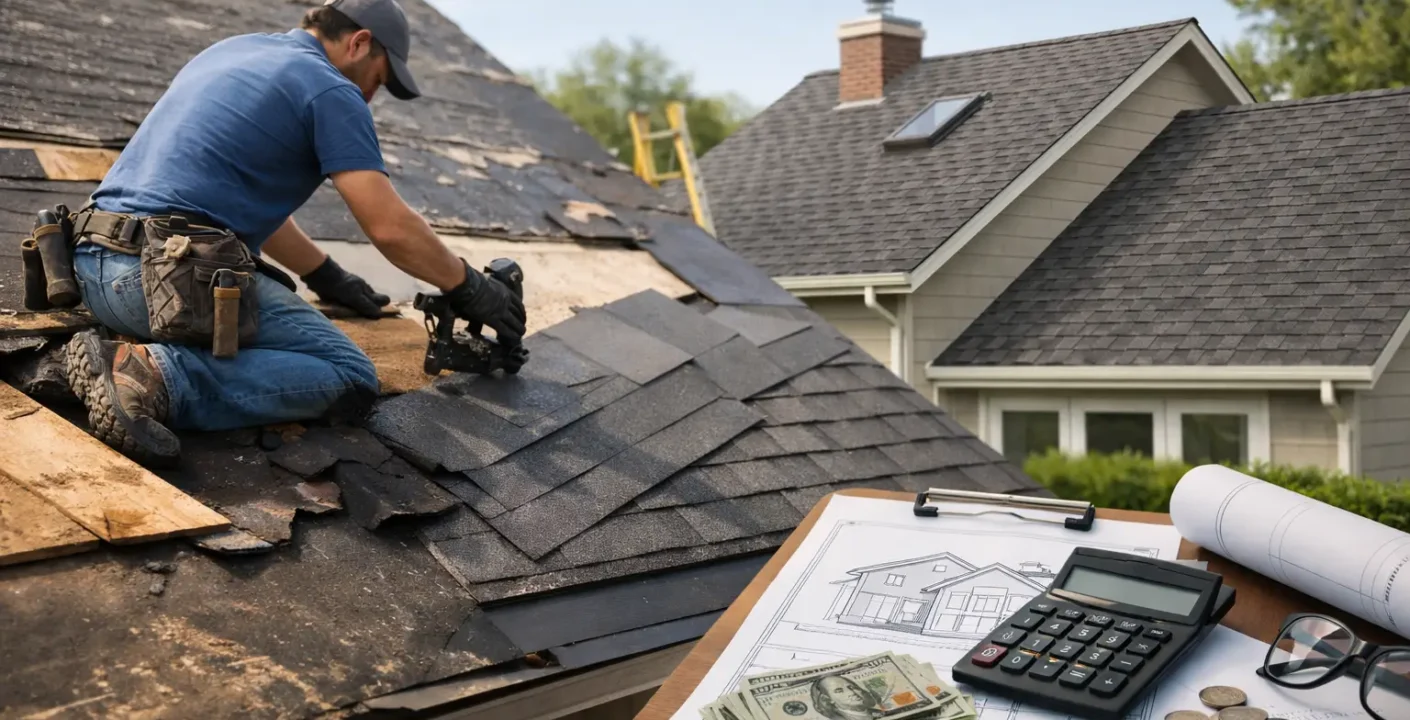
A roof can look acceptable from the driveway while hidden damage is developing beneath the shingles. In North Texas, intense sun, hail, wind, and sudden temperature shifts put roofing materials under steady pressure. Roof replacement is a major home investment, but waiting too long can turn a manageable exterior project into interior repairs, moisture damage, and disruption to daily life.
The right time to replace a roof is not determined by age alone. Its condition, repair history, material type, ventilation, storm exposure, and the plans you have for the property all matter. A careful assessment helps homeowners make a confident decision based on the actual condition of the roof rather than guesswork or a single alarming symptom.
When Roof Replacement Is the Better Choice
A few missing shingles after a storm do not always mean the entire roof needs to be replaced. Isolated damage can often be repaired when the surrounding materials are in good condition and a compatible shingle can be matched. Replacement becomes the more practical option when damage is widespread, repairs have become frequent, or the roof is nearing the end of its expected service life.
One of the clearest warning signs is shingle deterioration across multiple areas of the roof. Look for curling edges, cracked shingles, bald spots where granules have worn away, or shingles that appear warped or loose. Granules collecting in gutters are another concern, especially when the roof is older. A small amount of granule loss is normal, but heavy buildup may signal that the shingles are losing their protective surface.
Water stains on ceilings, peeling paint near rooflines, damp attic insulation, or a musty attic odor deserve prompt attention. A leak does not always appear directly below the damaged area because water can travel along framing before it reaches a ceiling. By the time an interior stain appears, the underlying issue may be more extensive than it first seems.
Storm damage also requires a closer look. Hail can bruise or fracture shingles without creating an obvious hole, while high winds can lift shingles and break their seal. After a major storm, a professional inspection can identify damage that is difficult to see safely from the ground. Documentation is especially useful if you need to discuss a possible claim with your insurance carrier.
What Determines Roof Replacement Cost?
Homeowners understandably want a clear price before making any decisions. The final cost depends on the roof itself, not simply the square footage of the home. A one-story house with a simple roofline is generally less labor-intensive than a home with steep slopes, multiple valleys, dormers, skylights, or difficult access.
The roofing material has a significant effect as well. Architectural asphalt shingles are a common choice for North Texas homes because they offer a balance of appearance, durability, and value. Other materials may provide a distinctive look or a longer service life, but they can also require different structural considerations, installation methods, and budgets.
A responsible estimate should account for more than new shingles. It may include removal and disposal of old materials, underlayment, flashing, drip edge, ventilation improvements, pipe boots, decking repairs if needed, and cleanup. These components are not extras in the casual sense. They work together to direct water away from vulnerable areas and help the roofing system perform as intended.
Decking is one of the most important variables. Roof decking can deteriorate after years of moisture exposure, and damaged sections should be replaced before new roofing materials are installed. Covering compromised decking may reduce the upfront price, but it creates a weak foundation for the new roof and can lead to problems later. Clear communication about how concealed damage will be handled protects both the homeowner and the project.
Plan the Project Before Materials Arrive
Good planning makes roof replacement less stressful for your household and helps prevent misunderstandings once work begins. Start by reviewing the roof’s condition, discussing material options, and requesting a detailed written scope of work. The scope should explain what will be removed, what will be installed, how repairs are addressed, and how the property will be protected and cleaned during the project.
Color selection deserves more thought than many homeowners expect. A roof covers a large visual portion of the home, so its color should work with brick, siding, trim, stone, and exterior paint. Consider how the color looks in direct sun, shade, and the warm light common in late afternoon. A sample that looks nearly black in a showroom may read differently on a large roof under Texas sun.
Ventilation should also be part of the conversation. An attic that traps excessive heat and moisture can shorten the life of roofing materials and make upper rooms less comfortable. Intake and exhaust ventilation need to function as a system. More vents are not automatically better if they are placed incorrectly or if soffit intake is blocked by insulation.
Before the crew arrives, move patio furniture, grills, potted plants, and vehicles away from the work area. Cover or relocate items in the attic if possible, since vibration can dislodge dust. Let neighbors know when work is scheduled, particularly if they have young children, pets, or vehicles close to the property line. Roofing is noisy by nature, but advance notice is a simple courtesy that makes project day easier for everyone.
Choosing a Contractor You Can Trust
A roof protects every improvement beneath it, from a newly remodeled bathroom to custom cabinetry and fresh flooring. That is why contractor selection should be based on more than the lowest number on an estimate. Homeowners should look for a local company with an established reputation, clear communication practices, documented scope, and a track record of standing behind completed work.
Ask how the contractor handles ventilation, flashing, decking repairs, cleanup, and unexpected conditions. These questions reveal whether the conversation is focused on a complete system or only on the visible shingle layer. You should also understand the proposed timeline, payment schedule, material warranty, workmanship warranty, and who will be your point of contact throughout the project.
Be cautious about pressure to sign immediately after a storm or vague promises that a project will cost little to nothing. Insurance policies, deductibles, coverage decisions, and repair requirements vary. A dependable contractor can provide documentation and explain the damage they observe, but should not make guarantees about what an insurer will approve.
For homeowners in Sachse and across the Dallas-Fort Worth area, local experience matters. Roofing systems in this region need to handle heat, wind, hail, and heavy rain, often within the same season. Oak Custom Remodeling approaches home improvement work with the same practical standard: clear expectations, quality workmanship, and solutions built for long-term value.
Do Not Ignore the Details After Installation
Once the new roof is installed, take time to review the completed work from the ground and walk through any final questions with the contractor. You should know where materials were installed, whether any decking repairs were completed, and how to maintain the roof going forward. Keep copies of the contract, warranty information, photos, and receipts in your home records.
Regular maintenance is straightforward but worthwhile. Keep gutters clear, trim branches that rub against the roof, and watch for changes after severe weather. Avoid walking on shingles unless it is necessary and safe to do so. Foot traffic can damage materials, particularly during hot weather when shingles are softer.
A roof rarely fails all at once. It usually gives homeowners signals through aging materials, minor leaks, storm damage, or repeated repairs. Paying attention early gives you more options, more time to compare solutions, and a better chance to schedule the work on your terms rather than during an emergency. If you have concerns after a storm or notice signs of wear, a professional inspection is a sensible next step before a small problem has time to grow.