

A cabinet door that will not stay aligned is frustrating. A cabinet box that feels soft near the sink is more serious. Knowing when to replace kitchen cabinets comes down to looking beyond an outdated finish and identifying whether the cabinetry can still perform safely, store efficiently, and support the kitchen you want to create.
For homeowners in Sachse and throughout the Dallas-Fort Worth area, cabinets are often one of the largest decisions in a kitchen remodel. Replacement is a meaningful investment, but holding onto cabinets that are failing can lead to water damage, limited function, and a kitchen that remains difficult to use even after new countertops or flooring are installed.
When to Replace Kitchen Cabinets Instead of Refinishing
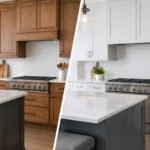
Paint, new hardware, and refinishing can make a dramatic difference when cabinet boxes are solid and the layout still works for your household. These updates are often sensible for quality wood cabinetry with minor surface wear. If the doors are in good condition, drawers operate reliably, and the cabinets provide enough storage, a cosmetic refresh may be the better value.
Replacement becomes the stronger choice when the underlying construction has deteriorated or the kitchen no longer meets your needs. New color cannot correct swollen particleboard, a poorly planned layout, or cabinets that are pulling away from the wall. A careful inspection helps separate a finish problem from a structural problem.
Water Damage Is Spreading or Softening the Cabinet Boxes
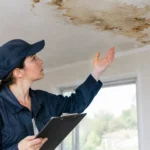
The cabinet beneath the kitchen sink is one of the first places to inspect. Small plumbing leaks can go unnoticed for months, soaking the bottom panel and side walls. Look for bubbling laminate, dark staining, musty odors, soft spots, or material that crumbles when pressed gently.
Surface moisture from a brief leak may be repairable once the plumbing issue is fixed. But cabinets with swollen particleboard or plywood delamination usually will not regain their strength. If moisture has spread into adjoining cabinets, wall areas, or flooring, replacement may also be part of a larger repair plan that protects the home from further damage.
The Cabinets Are Structurally Unstable
Cabinets should feel firmly attached and capable of supporting normal daily use. Doors that sag once in a while may only need hinge adjustments. However, repeated loose hinges, splitting face frames, cracked drawer supports, or boxes separating from the wall point to more significant wear.
Pay attention to shelves that bow under ordinary dishes and drawers that fall off their tracks despite repairs. These problems can signal weak cabinet construction or years of stress on aging materials. Replacing unstable cabinets protects both your belongings and anyone using the kitchen.
The Layout Makes Everyday Cooking Harder
A kitchen can look acceptable while functioning poorly. If more than one person cannot work in the room comfortably, storage is scattered, or there is little usable counter space, cabinet replacement gives you an opportunity to solve the real problem rather than decorate around it.
Common layout concerns include a refrigerator that blocks a walkway, a sink base with no nearby trash storage, blind corners that waste space, and upper cabinets that are too high or too shallow for practical use. Families may also outgrow a kitchen when groceries, small appliances, and serving pieces no longer fit in their assigned places.
New cabinets can add drawers for pots and pans, pull-out storage, deeper bases, pantry organization, and a more useful island. The right design should reflect how your household actually cooks, eats, entertains, and moves through the room.
You Are Changing the Kitchen Footprint
Cabinet replacement is usually necessary when you move walls, relocate plumbing, add an island, or alter appliance locations. Existing cabinets are built for their current dimensions, so trying to reuse them in a significantly different plan can create awkward gaps, mismatched finishes, and unnecessary compromises.
This is also the time to think through electrical needs, lighting, ventilation, and countertop support. A coordinated remodel allows each part of the kitchen to work together, rather than forcing new materials around old constraints.
Signs Your Cabinets Are Near the End of Their Service Life
Age alone does not determine whether cabinets need replacement. Well-built wood cabinets can last for decades with proper care, while lower-grade materials in a busy kitchen may fail much sooner. Still, several issues appearing at once usually indicate that repairs are becoming a short-term solution.
Consider replacement when you notice four or more of these conditions:
- Persistent water damage, swelling, moldy odors, or warped cabinet panels
- Doors and drawers that no longer close, align, or stay securely attached after adjustment
- Cracked frames, broken shelf supports, loose wall attachments, or sagging cabinet boxes
- Peeling laminate, severe finish failure, or damage that extends beyond doors and drawer fronts
- Insufficient storage, inaccessible corners, or a layout that no longer supports daily use
- A planned countertop, appliance, flooring, or layout update that the current cabinets cannot accommodate
One damaged door does not automatically justify a full remodel. Several problems across the kitchen deserve a closer evaluation of the long-term cost of repeated repairs versus replacement.
Consider What Is Behind and Around the Cabinets
Cabinets are not installed in isolation. Before deciding on replacement, look at the condition of the backsplash, flooring, walls, plumbing, and electrical components around them. Older kitchens sometimes hide issues that become visible only after cabinets are removed, including deteriorated drywall, outdated wiring, or evidence of prior leaks.
This does not mean every cabinet project needs to become a full renovation. It does mean that a realistic plan should allow for related work when needed. Addressing repairs during the remodel is usually more efficient than closing up the kitchen and discovering a problem later.
For example, installing new cabinetry may be the right time to add dedicated circuits for countertop appliances, improve under-cabinet lighting, or correct an improperly vented range hood. These choices improve daily function and help the finished kitchen feel thoughtfully planned rather than pieced together.
Replacement Can Improve Resale Value, but Prioritize Function First
Updated kitchens remain a major consideration for North Texas buyers, especially when cabinetry is visibly worn or dated. Clean, well-designed cabinets can help a home present better and support overall market appeal. Yet resale value should not be the only reason for a cabinet project.
The best investment is a kitchen that works well while you live in the home. Choose durable construction, practical storage, and a style that fits the home instead of chasing a short-lived trend. Neutral cabinet colors and classic door profiles can appeal broadly, while details such as hardware, lighting, and paint are easier to update later.
If you expect to sell soon, the scope may be different than it would be for a long-term home. A qualified remodeling professional can help determine whether targeted cabinet updates, refacing, or full replacement makes the most financial sense for your timeline.
Plan the Project Before Ordering New Cabinets
Cabinet lead times, material availability, and the amount of related work can all affect a remodel schedule. Planning early gives you time to compare storage options, finalize appliance dimensions, and make design decisions without rushing. Appliances should be selected or at least specified before cabinet plans are finalized, since refrigerator depth, range width, and dishwasher placement affect surrounding cabinetry.
Measure how you use the kitchen before choosing a layout. Notice where mail collects, where groceries land, which items are difficult to reach, and whether prep space is missing near the sink or range. Those daily observations are more useful than copying a showroom layout that may not fit your household.
It is also wise to set aside a reasonable contingency for concealed conditions, especially in older homes or kitchens with a history of plumbing leaks. Clear communication about scope, materials, and scheduling helps prevent avoidable surprises once work begins.
Get a Professional Assessment of Your Existing Cabinets
A contractor can evaluate cabinet condition, identify signs of hidden moisture, and explain which upgrades make sense with your budget and goals. At Oak Custom Remodeling, the focus is on practical recommendations that support a kitchen’s daily use as well as its long-term value.
The right answer is not always a complete replacement. But when cabinet boxes are failing, the layout is holding your home back, or a larger remodel is already planned, replacement can provide a stronger and more lasting result. Start by identifying what frustrates you most each day, then use that list to shape a kitchen that serves your home better for years to come.