
A North Texas roof has a demanding job. It must handle intense summer heat, sudden hailstorms, high winds, heavy rain, and long stretches of sun without making your home harder or more expensive to maintain. That is why the shingles versus metal roofing decision deserves more than a quick look at color samples or the lowest installation price.
Both materials can be good choices for homes in Sachse, Dallas, Garland, Fort Worth, and surrounding communities. The better fit depends on your budget, how long you expect to own the property, your neighborhood’s style, the condition of the existing roof structure, and how much long-term maintenance you are comfortable taking on.
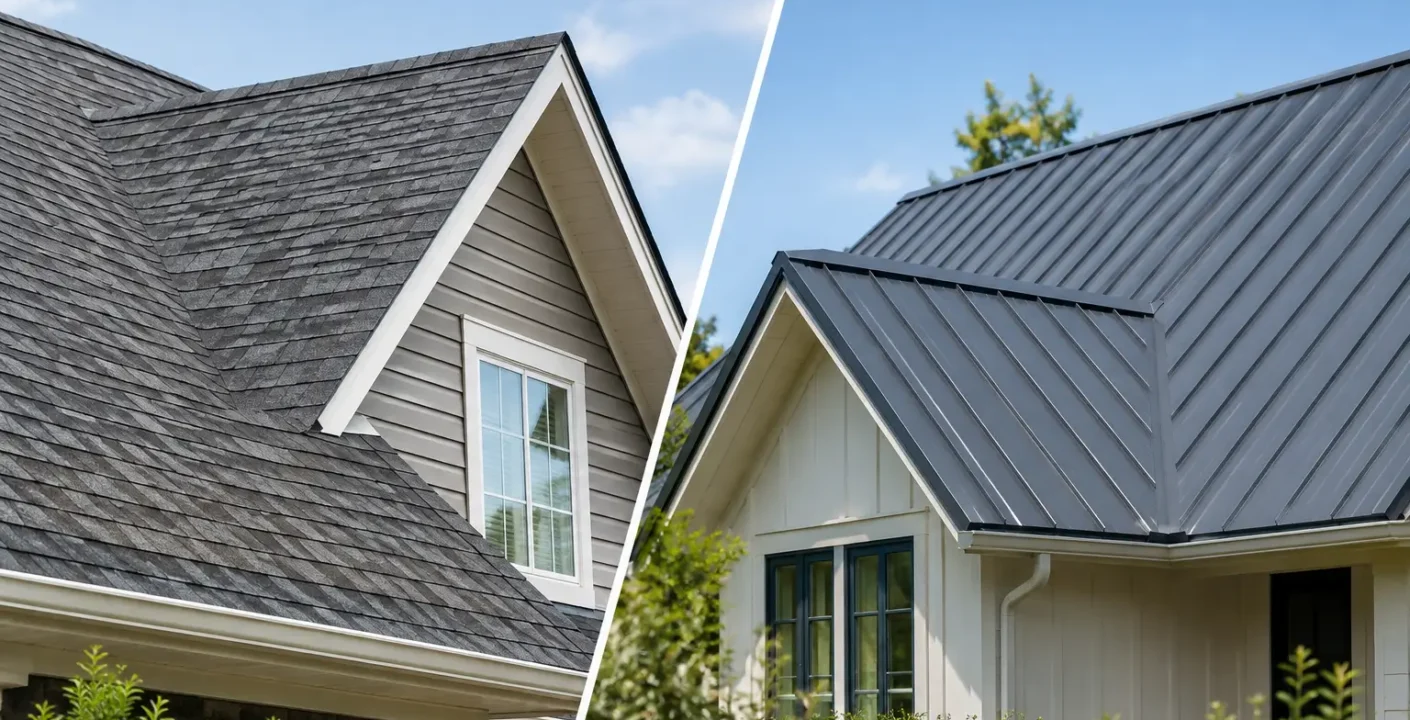
Shingles Versus Metal Roofing at a Glance
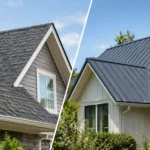
Asphalt shingles remain the most common residential roofing material for a reason. They are familiar, versatile, available in many colors and profiles, and generally cost less upfront than metal. A quality architectural shingle roof can provide an attractive, dependable finish that complements a wide range of Texas home styles.
Metal roofing costs more initially, but it can offer a significantly longer service life when properly installed. It is also lightweight, sheds water effectively, and reflects more solar heat than many traditional dark roofing materials. For homeowners planning to stay in their homes for decades, the higher starting cost may be easier to justify.
The right answer is rarely as simple as “metal lasts longer, so metal wins.” A roof is a major investment, and the best material is the one that makes sense for the home and the homeowner’s plans.
Upfront Cost and Long-Term Value
For most homeowners, price is the first major difference between shingles and metal. Asphalt shingles are typically the more budget-friendly option, both for material and labor. If your roof needs replacement after storm damage or age-related wear, shingles can make it possible to restore protection and curb appeal without stretching the project budget as far.
Metal roofing requires a larger upfront investment. Costs vary based on the type of metal, panel profile, roof pitch, flashing details, tear-off requirements, and the complexity of valleys, chimneys, skylights, and penetrations. A simple metal roof on a straightforward structure is very different from a detailed roof with multiple elevations.
Long-term value changes the conversation. While shingles may need replacement sooner, a properly installed metal roof can last much longer. Metal may also appeal to buyers who value durability, energy performance, and lower maintenance. Still, resale value is local. A premium roof does not always return every dollar spent, especially if it is out of step with comparable homes in the neighborhood.
If you expect to sell in a few years, a quality architectural shingle roof may be the practical financial choice. If you expect to stay for the long haul, metal may offer more value over the life of the roof.
How Each Roof Handles North Texas Weather
North Texas weather can be hard on any roofing system. High heat causes materials to expand, UV exposure gradually breaks down surfaces, and hail can create damage that is not always obvious from the ground.
Heat and Energy Efficiency
Metal roofing can reflect a meaningful amount of sunlight, especially in lighter colors and finishes designed for solar reflectance. That can help reduce heat absorbed by the roof surface. However, roofing material is only one part of the energy-efficiency picture. Attic insulation, ventilation, air sealing, ductwork, window performance, and shade around the home all affect utility bills.
Shingles generally absorb more heat, particularly in darker colors. Some shingles are manufactured with reflective granules and can improve performance compared with standard options. A well-ventilated attic remains essential regardless of which roof you choose. Without proper ventilation, excess heat and moisture can shorten the life of roofing materials and strain your HVAC system.
Hail and Wind Performance
Hail resistance depends on the exact product, not just whether the roof is made of shingles or metal. Impact-resistant shingles are available and can be a smart option in storm-prone areas. Metal panels can resist many kinds of weather well, but severe hail can still leave dents, cosmetic marks, or damage depending on panel gauge, profile, and impact conditions.
Wind performance also comes down to installation quality. Proper fasteners, underlayment, flashing, edge details, and adherence to manufacturer specifications matter as much as the visible roofing material. A premium material installed carelessly is not a premium roof.
Rain and Drainage
Both roofing systems can protect a home effectively when designed and installed correctly. Metal roofs shed water quickly, which can be useful on roofs with appropriate slopes. Shingles create a layered water-shedding surface that has performed reliably on millions of homes for decades.
The real concern is not simply the material. It is the details around valleys, vents, chimneys, skylights, wall transitions, and gutters. These areas require careful workmanship because they are common sources of leaks when installation is rushed or repairs are incomplete.
Appearance, Noise, and Everyday Comfort
Many homeowners picture metal roofing as the corrugated panels seen on barns or commercial buildings. Residential metal has come a long way. Standing-seam panels offer a clean, modern look, while metal shingles and stone-coated steel can mimic more traditional roofing styles.
Asphalt shingles provide the broadest range of familiar residential looks. Architectural shingles can add depth and texture without overpowering the rest of the home. They often suit traditional brick homes, ranch-style homes, and neighborhoods where visual consistency matters.
Noise is another common question. A properly installed metal roof over solid sheathing and adequate attic insulation should not sound dramatically louder indoors during rain than other roofing systems. If excessive noise is a concern, the roof assembly and insulation should be evaluated as part of the project, rather than assuming metal will automatically be disruptive.
Maintenance and Repair Considerations
No roof is maintenance-free. Shingle roofs should be inspected periodically for lifted tabs, missing granules, cracked seals, damaged flashing, and storm-related impact marks. Repairs are often straightforward when matching shingles are available and damage is limited to a specific area.
Metal roofs need inspections as well. Fasteners, sealants, flashing, panel movement, and finish condition should be checked over time. Repairing a metal roof can require more specialized knowledge, particularly when working with standing-seam systems or custom flashing details. Walking on metal panels also requires care to avoid damaging the finish or creating unsafe conditions.
Homeowners should also consider nearby trees. Branches rubbing against either roof type can cause wear. Keeping limbs trimmed back, gutters clear, and drainage paths open is simple preventive maintenance that protects the roof and the home’s exterior.
When Shingles Are Usually the Better Choice
Shingles often make sense when the replacement budget is a primary concern, the home is likely to be sold in the near future, or the neighborhood has a traditional roof appearance that you want to preserve. They are also a practical option for homeowners who want proven performance and many color choices without the higher initial expense of metal.
Choosing shingles does not mean choosing a basic roof. Higher-grade architectural shingles, impact-resistant options, quality underlayment, and precise installation can create a durable system suited to local conditions.
When Metal Is Usually Worth Considering
Metal is worth a serious look when you plan to remain in the home for many years, want a distinctive architectural style, or place a high value on long service life and heat reflectivity. It can be especially appealing for homes with clean modern lines, steep roof designs, or owners who want to make a long-term property investment.
Before choosing metal, make sure the proposal clearly identifies the panel type, metal thickness, finish, underlayment, ventilation approach, flashing details, and warranty coverage. Those details help determine whether the installed roof will perform as expected.
A roofing decision should not be made from a brochure alone. A careful inspection of the existing roof, attic ventilation, drainage, and structural conditions gives you a much clearer picture of what your home actually needs. Oak Custom Remodeling helps North Texas homeowners look beyond the surface choice so the finished roof supports comfort, protection, and lasting value for the years ahead.