
A roof usually starts asking for attention long before water shows up on the ceiling. In North Texas, that matters. Between heat, wind, hail, and sudden storms, homeowners often ask the same practical question: how often should a roof be replaced? The short answer is that most roofs last anywhere from 15 to 50 years, but the real answer depends on the material, the weather it has been through, and how well it was installed and maintained.
If you are trying to decide whether your roof still has life left in it or whether replacement is the smarter investment, it helps to look at more than age alone. Roofs do not fail on a perfect schedule. Some wear out early because of storm damage or poor ventilation. Others last longer because the materials were better and the installation was done right the first time.
How often should a roof be replaced by material?
Roofing material has the biggest impact on replacement timing. Asphalt shingles are the most common choice for residential homes, and they usually last around 15 to 30 years. Standard three-tab shingles often sit on the lower end of that range, while architectural shingles can last longer if they are installed correctly and not heavily damaged by storms.
Metal roofs can last 40 to 70 years, depending on the type of metal, coating, and maintenance. Tile and slate roofs often last even longer, but those systems also depend on the structure beneath them and can involve higher repair costs when individual components break.
Wood shingles and shakes generally fall somewhere around 20 to 30 years, though that can vary quite a bit based on climate and upkeep. In a place like the Dallas-Fort Worth area, intense sun and severe weather can shorten the useful life of many roofing systems compared to milder regions.
That is why a roof’s calendar age should be treated as a guide, not a verdict. A 17-year-old roof may still be serviceable, while a 12-year-old roof may already be compromised if it has taken repeated hail hits.
Why roofs in North Texas often age faster
In this region, weather is a major factor in how often should a roof be replaced. Roofs here deal with long stretches of high heat, strong UV exposure, heavy rain, wind-driven storms, and hail. Even if the shingles are not ripped off in one dramatic event, repeated impact and expansion-contraction cycles slowly wear down the system.
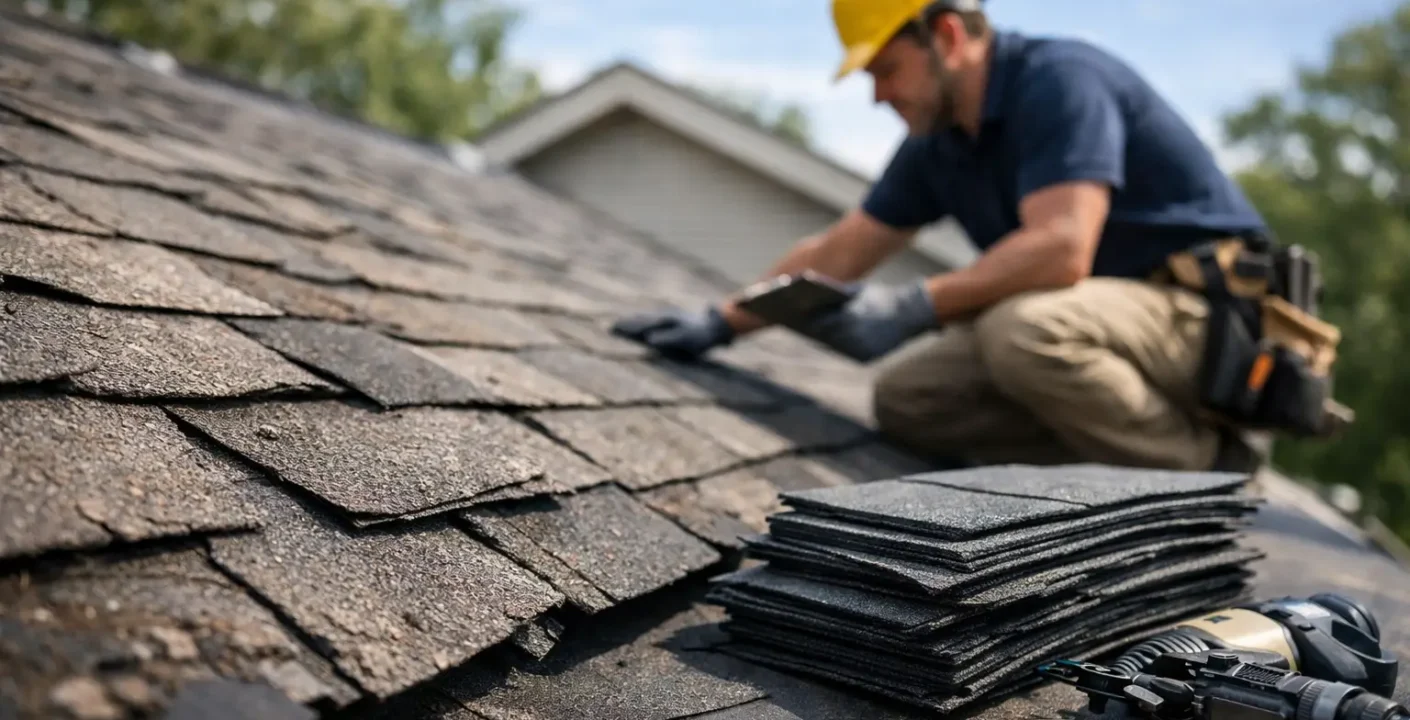
Heat can dry out roofing materials and cause shingles to become brittle over time. Hail can bruise shingles, knock off protective granules, and create weak points that are not always obvious from the ground. Wind can lift edges and break the seal that helps shingles stay watertight.
Poor attic ventilation can make these issues worse. When hot air is trapped in the attic, it increases the stress on the roofing system from below. That can shorten shingle life and contribute to moisture problems, especially when insulation and airflow are out of balance.
Signs your roof may need replacement soon
Homeowners often hope for a clear yes-or-no sign, but roof problems usually build gradually. One missing shingle does not always mean you need a full replacement. A pattern of wear across the roof is more concerning.
Curling, cracking, or bald shingles are common warning signs. If you notice granules collecting in gutters, that can mean the shingles are losing their protective surface. Dark streaks may be cosmetic in some cases, but widespread staining can also point to aging or moisture-related issues.
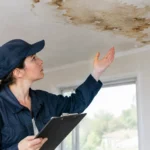
Inside the home, water stains on ceilings or walls deserve prompt attention. So do unexplained drafts, signs of mold in the attic, or sagging areas in the roofline. A roof that looks uneven or soft in spots may have deeper structural or decking problems.
Storm history matters too. If your neighborhood has had multiple hail or wind events in recent years, it is worth having the roof evaluated even if leaks have not appeared yet. Damage often starts small and becomes more expensive when it is left alone.
Repair or replace? The decision usually comes down to scope
Not every aging roof needs immediate replacement. If damage is isolated to a small section and the rest of the roof is still in good condition, a repair may be the most practical move. That is especially true when the roof is relatively new and matching materials are still available.
Replacement makes more sense when damage is widespread, when leaks are recurring, or when the roof is already near the end of its expected lifespan. If you are paying for one repair after another, those costs can add up without solving the larger problem.
There is also the issue of resale value and insurance. An older roof can become a sticking point during a home sale, and some insurance carriers pay close attention to roof age and condition. Replacing the roof before it fails completely can protect your home and reduce the chance of more serious interior damage.
A good contractor will not push replacement when a repair is enough. They should explain what they see, what is urgent, what can wait, and how much useful life the current roof may still have.
What affects roof lifespan besides age?
Installation quality is a big one. Even a strong roofing product can underperform if the underlayment, flashing, ventilation, or fastening methods were not done correctly. Many roof failures start around penetrations, valleys, chimneys, and other transition points rather than across the field of shingles.
Maintenance also plays a role. Keeping gutters clear, trimming overhanging branches, and addressing small issues early can help extend roof life. So can routine inspections after major storms.
The number of roofing layers matters as well. If a new roof was installed over an older one instead of removing the original materials, that can affect heat retention, weight, and long-term performance. In some cases, a full tear-off provides a better result because hidden damage can be identified and corrected.
Material choice matters too, but it should match the home and the homeowner’s goals. A lower-cost option may make sense for some properties, while a longer-lasting system may be a better fit for homeowners planning to stay put for decades.
When should you have your roof inspected?
A practical rule is to schedule a professional inspection if your roof is more than 10 years old, after any major storm, or anytime you notice visible changes. You do not need to wait for an active leak. In fact, waiting for water intrusion usually means the problem has already moved past the early stage.
For many homeowners, an annual inspection is a smart habit, especially in storm-prone parts of Texas. It helps catch loose flashing, damaged shingles, and early wear before they turn into interior repairs.
This is also useful if you are planning other home improvements. If you are investing in painting, insulation, or interior remodeling, it makes sense to know whether the roof above those upgrades is still dependable. At Oak Custom Remodeling, that kind of practical planning is part of helping homeowners protect the value of the work they put into their homes.
How often should a roof be replaced if it is not leaking?
This is one of the most common questions, and it is fair. Many roofs look “good enough” from the driveway and still have underlying issues. A roof does not have to be actively leaking to justify replacement.
If shingles are brittle, flashing is failing, and storm damage is widespread, the roof may be at the point where replacement is the safer financial choice. Waiting can expose decking, insulation, drywall, and even flooring to damage that costs far more than the roof itself.
On the other hand, if the roof is older but stable, with only minor wear and no signs of water intrusion, you may still have time. That is where an honest inspection matters. The goal is not to replace early for no reason. It is to avoid replacing late, after avoidable damage has already happened.
A smarter way to think about roof replacement
Instead of asking only how many years a roof should last, ask whether the current roof is still protecting the home the way it should. Age gives you a starting point. Condition tells you what to do next.
For homeowners in Sachse, Dallas, Fort Worth, Garland, and nearby communities, that usually means paying attention after storms, taking visible wear seriously, and getting professional guidance before a small issue turns into a major one. A roof replacement is a significant investment, but so is waiting too long. The right time is when the roof can no longer deliver reliable protection without repeated patchwork and growing risk.
If you are unsure where your roof stands, the most helpful next step is simple: get it looked at before the decision gets made for you by the next storm.