
If you are choosing new floors for a bathroom, kitchen, laundry room, or main living area, the tile vs vinyl flooring decision usually comes down to one practical question: what will hold up best in your home without creating regrets a year from now? Both materials can look great, both can work in wet areas, and both can add value when they are selected and installed with the room in mind. The right answer depends less on trends and more on how your household actually lives.
For homeowners in Sachse and across the Dallas-Fort Worth area, that distinction matters. Flooring has to handle heat, tracked-in dirt, pets, spills, busy family routines, and the normal wear that comes with a lived-in home. A floor that looks good in a showroom may not be the best fit once real life starts.
Tile vs Vinyl Flooring: The Core Difference
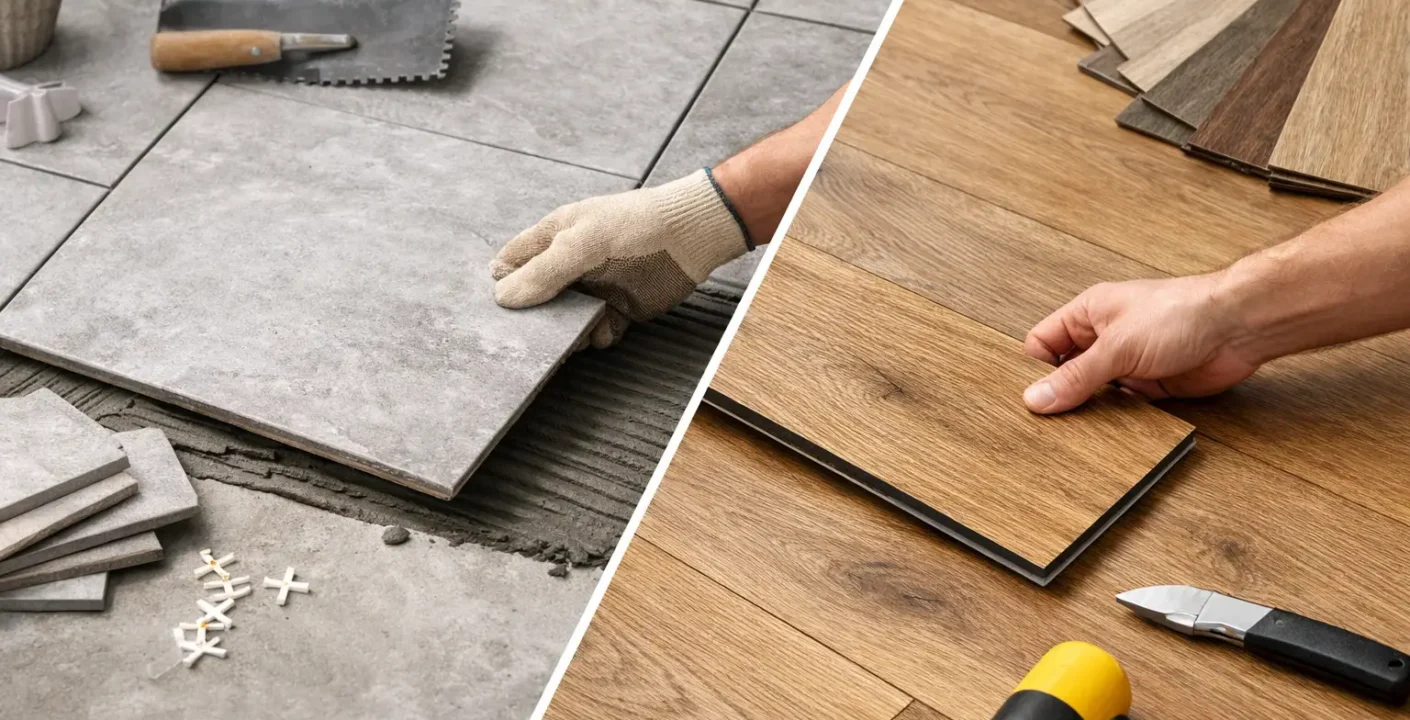
Tile is a hard-surface flooring material made from ceramic or porcelain. It is known for strength, water resistance, and a more permanent, high-end feel. Vinyl flooring, especially luxury vinyl plank and luxury vinyl tile, is a synthetic product designed to mimic wood or stone while offering a softer feel underfoot and a lower upfront cost.
That difference affects almost everything else. Tile tends to win on longevity and heat resistance. Vinyl tends to win on comfort, speed of installation, and budget flexibility. Neither is automatically better across every room.
Cost Matters, but So Does Long-Term Value
Many homeowners start with price, and that makes sense. In most cases, vinyl is less expensive than tile in both material and installation. If you are updating several rooms at once or remodeling with a firm budget, vinyl can make a larger project more manageable.
Tile often costs more because the installation is more labor-intensive. Surface prep, layout, mortar, grout, cutting, and curing all add time and precision. If subfloor issues are present, those may need to be corrected before tile can be installed properly.
Still, lower upfront cost does not always mean better value. A well-installed tile floor can last for decades. In the right space, that durability can justify the higher initial investment. For resale-minded homeowners, tile may also carry a stronger premium feel, especially in bathrooms and kitchens.
Vinyl offers strong value too, but in a different way. It gives homeowners a clean, updated look with less disruption and often a faster turnaround. If your priority is a practical improvement that looks good, performs well, and keeps costs under control, vinyl can be the smarter move.
How Each Floor Handles Water and Daily Wear
This is where room-by-room planning becomes important.
Tile performs extremely well around water. Porcelain tile in particular is a strong option for bathrooms, showers, laundry rooms, and kitchen floors because it stands up well to moisture when installed correctly. Grout lines do require attention, and poor installation can lead to problems, but the material itself is highly reliable in wet areas.
Vinyl is also a strong performer around moisture, especially waterproof luxury vinyl products. For powder baths, kitchens, laundry rooms, and many everyday family spaces, vinyl can handle spills and humidity very well. That said, not all vinyl products are equal. Product quality, core construction, and installation method all affect performance.
When it comes to impact and scratching, the answer is more mixed. Tile is hard and difficult to dent, but it can crack if something heavy hits it just right or if the subfloor shifts. Vinyl is more forgiving under impact and less likely to chip, but it can be gouged by sharp furniture legs or deep scratches from heavy wear.
Comfort Underfoot Is Not a Small Detail
One of the biggest differences in tile vs vinyl flooring is how the floor feels every day.
Tile is firm, cool, and solid. In North Texas, that cool surface can be appealing, especially during long hot seasons. In bathrooms, kitchens, and entry areas, many homeowners like the clean, substantial feel of tile. But there is a trade-off. Tile can be harder on feet, knees, and backs, especially if you stand for long periods while cooking or getting ready in the morning.
Vinyl is softer and slightly warmer underfoot. That can make a noticeable difference in homes with children, pets, or anyone who simply wants a more comfortable walking surface. It also tends to be quieter than tile, which matters in busy households where sound carries through open living areas.
If comfort is a top priority, vinyl often has the edge. If you want a more solid, permanent finish and do not mind a firmer surface, tile remains a strong option.
Appearance and Design Flexibility
Both materials have improved dramatically over the years.
Tile offers a wide range of colors, sizes, textures, and patterns. It can deliver a classic bathroom look, a clean modern kitchen floor, or a more custom design with decorative layouts. Large-format tile is especially popular for homeowners who want a refined, upscale look with fewer grout lines.
Vinyl has also come a long way. Today’s luxury vinyl can convincingly replicate hardwood, stone, and even tile visuals. For homeowners who want the warmth of a wood-look floor in areas where real wood may not be ideal, vinyl opens up attractive design options.
The decision often comes down to the style of the room and the level of finish you want. Tile usually reads as more custom and permanent. Vinyl is versatile and attractive, but it may not create quite the same impression in every setting.
Maintenance and Repairs
Homeowners usually prefer flooring that does not create extra work, and both tile and vinyl can be relatively low-maintenance.
Tile is easy to clean, but grout lines can collect dirt and may need occasional sealing or deeper cleaning depending on the product used. If a tile cracks, repair can be straightforward if matching material is still available, but the process is more involved than a basic surface fix.
Vinyl is generally simple to maintain with routine sweeping and damp mopping. There is no grout to clean, which is a major plus for many households. Repairs, however, depend on the product and installation style. Replacing a damaged vinyl plank can be easier in some systems than others, but color and pattern matching still matter.
For many families, vinyl wins on day-to-day ease. Tile remains manageable, though it may ask for a little more attention over time.
Where Tile Makes More Sense
Tile is often the better fit in bathrooms, shower surrounds, high-moisture laundry rooms, and spaces where homeowners want a more durable, long-term finish. It is also a strong choice when resale value and a higher-end appearance are top priorities.
If you are remodeling a primary bathroom and want the space to feel substantial and finished for the long haul, tile is hard to beat. It also works well in kitchens where heat, spills, and heavy traffic are part of daily use.
Where Vinyl Makes More Sense
Vinyl works especially well in households that want a practical update with good looks, water resistance, and more forgiving comfort. It is a smart choice for guest bathrooms, kitchens, laundry rooms, rental properties, and larger whole-home flooring updates where budget control matters.
It can also be an excellent option for families who want a consistent floor through multiple rooms without the harder feel of tile. In many remodeling projects, vinyl provides the best balance of appearance, performance, and affordability.
Tile vs Vinyl Flooring for North Texas Homes
Local conditions do affect this decision. In North Texas, homeowners often appreciate tile for its cool surface during warm weather. At the same time, vinyl performs well in active homes where comfort and noise reduction matter just as much as moisture resistance.
Subfloor condition is another factor. Tile demands a stable, properly prepared base. Vinyl can be more forgiving in some scenarios, though proper prep still matters. Skipping that step with either material is where many flooring problems begin.
This is one reason experienced installation matters so much. A good flooring choice can still fail if the prep work, layout, or finishing details are rushed. Companies like Oak Custom Remodeling see that firsthand in renovation projects where homeowners are replacing floors that were installed poorly the first time.
So Which One Should You Choose?
If your goal is maximum longevity, stronger resale appeal, and a more permanent high-end finish, tile is often worth the investment. If your goal is a comfortable, attractive, budget-conscious floor that handles everyday life well, vinyl may be the better answer.
There is no one-size-fits-all winner in the tile vs vinyl flooring decision. A primary bathroom may call for tile, while a busy laundry room or a larger family living area may be better served by vinyl. The best choice comes from looking at the room, the budget, the household routine, and how long you plan to stay in the home.
The good news is that both options can be excellent when the product is chosen carefully and the installation is done right. A floor should not just look good on day one. It should make your home easier to live in for years after the remodel is finished.