

A remodel should solve problems you feel every day, not simply follow a look that may feel dated in two years. The most useful residential remodeling trends for North Texas homeowners focus on better storage, easier upkeep, flexible living spaces, and finishes that hold up to real family life. Whether you are updating one bathroom or planning a larger renovation, the strongest choices are the ones that make your home work better now while supporting its long-term value.
Residential Remodeling Trends Are Moving Toward Practical Comfort
For years, many renovations were driven by a single visual trend: all-white kitchens, oversized open rooms, or highly decorative finishes. Homeowners still want a beautiful result, but they are asking more practical questions before committing to a project. Will this layout improve our morning routine? Is this flooring durable enough for kids and pets? Can we maintain these materials without constant work?
That shift is especially relevant in the Dallas-Fort Worth area, where homes often need to accommodate busy households, visiting family, work-from-home schedules, and changing needs over time. A successful remodel starts with those daily realities. The design comes next.
Bathrooms That Feel More Functional and Relaxing
Bathroom remodeling remains one of the most valuable ways to improve a home. Current designs favor clean lines and a more open feel, but the real priority is function. Homeowners are replacing cramped tub-shower combinations with larger walk-in showers, built-in niches, comfortable benches, and glass enclosures that make the room feel less confined.
A curbless shower is another popular option, particularly for homeowners planning to stay in their homes for many years. It can create a polished, accessible look, although it requires careful floor preparation, waterproofing, and drainage planning. It is not a feature to add casually late in the project.
Vanities are also doing more work than they once did. Wider drawers, drawer organizers, double-sink configurations, and dedicated outlets inside cabinetry help reduce counter clutter. In a smaller bathroom, a single larger vanity with better storage may be more useful than forcing in two sinks that leave little room to move.
Warm wood tones, textured tile, brushed metal fixtures, and softer lighting are replacing the cold, showroom-style look many homeowners no longer want. These choices can add character without being overly personal or difficult to update later.
Kitchens Designed for Storage and Everyday Use
Kitchen trends are becoming less about making a room appear larger and more about making every cabinet, drawer, and work surface useful. Custom cabinetry is a major part of that change. Deep drawers for pots and pans, pullout pantry storage, trash and recycling drawers, appliance garages, and storage near the cooking area make a noticeable difference in how a kitchen functions.
Large islands remain popular, but size alone is not the goal. An island should leave adequate clearance around it, support traffic flow, and serve a clear purpose. For some families, that means extra seating. For others, it means a prep sink, more drawers, or a work surface that doubles as a homework station.
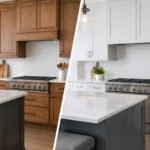
Homeowners are also introducing more contrast. Instead of matching every cabinet, counter, and wall surface, many are choosing a painted island with warmer wood perimeter cabinets or a deeper cabinet color balanced by lighter countertops. The best combination depends on the home’s natural light and the surrounding rooms. Dark cabinetry can look striking, but it may feel heavy in a kitchen with limited windows.
Durable Materials Matter More Than Quick Visual Impact
A finish may look great on installation day and still be a poor fit for the household. One of the most lasting residential remodeling trends is a greater focus on materials that are attractive, durable, and realistic to maintain.
Porcelain tile continues to be a strong choice for bathrooms, entryways, and other high-moisture areas because it offers durability and a wide range of styles. Larger-format tile can reduce grout lines and create a cleaner look, but it requires a properly prepared surface. Installation quality matters as much as the tile selection.
For flooring, homeowners often compare luxury vinyl plank, engineered hardwood, and tile. There is no universal winner. Luxury vinyl plank can be a practical option for active homes because it handles everyday moisture and wear well. Engineered hardwood brings warmth and a more traditional feel, though it needs greater protection from standing water and scratches. Tile offers excellent durability but can feel harder and cooler underfoot.
The right choice depends on the room, the household, and the condition of the existing subfloor. A dependable contractor should explain those trade-offs clearly rather than steering every client toward the same material.
Warm, Timeless Finishes Over Short-Lived Fads
The all-gray interior palette has given way to warmer neutrals, natural wood, muted greens, clay tones, and soft off-whites. These colors help a home feel more inviting and can work well with the brick, stone, and natural light found in many North Texas properties.
Timeless does not mean bland. It means choosing permanent elements carefully. Flooring, tile, cabinetry, and countertops are expensive to replace, so they should have broad appeal and a long visual life. Paint, hardware, mirrors, and light fixtures are easier places to make a bolder statement.
This approach also supports resale value. A future buyer may appreciate a home with personality, but most buyers respond well to quality finishes that feel clean, cohesive, and easy to live with.
Flexible Spaces Are Becoming a Remodeling Priority
A dedicated home office is no longer the only answer to flexible living. Many homeowners want rooms that can serve more than one purpose: a guest room with built-in storage, a laundry room that doubles as a drop zone, or a dining area with cabinetry for entertaining and everyday organization.
Laundry room remodeling is receiving more attention for this reason. Adding counter space for folding, tall cabinets for supplies, durable flooring, and a designated place for bags or pet items can bring order to an area that is often overlooked. Even a modest laundry room can become more efficient when its layout is planned around how the family actually uses it.
Thoughtful built-ins are another way to add flexibility without expanding the footprint of the home. Window seats, mudroom-style storage, media cabinetry, and pantry organization can reduce visual clutter while creating useful storage where it is needed most.
Energy Efficiency Without Overcomplicating the Project
Many remodeling decisions now include an efficiency component. Better windows, insulation improvements during wall work, energy-efficient lighting, and ventilation upgrades can contribute to comfort as well as operating costs. In bathrooms, a properly sized exhaust fan is especially important. It helps control moisture that can damage paint, cabinetry, and grout over time.
Lighting is one of the most practical upgrades available. Layered lighting – general ceiling lighting, task lighting at vanities or counters, and accent lighting where appropriate – makes rooms more comfortable and functional. Dimmers allow the same space to work for early mornings, meal preparation, and evening relaxation.
Not every project needs smart controls or the latest connected appliance. Those features can be convenient, but they should fit the homeowner’s habits and budget. The foundation of a good remodel is still sound construction, reliable systems, and a layout that works.
Plan the Trend Around Your Home, Not the Other Way Around
The best remodeling decisions begin before materials are selected. Consider the age of the home, the condition of plumbing and electrical systems, the existing layout, and the level of disruption your household can manage. A bathroom renovation may uncover older plumbing that should be addressed while walls are open. A kitchen layout change may require electrical, ventilation, or structural adjustments that affect the budget.
Setting priorities early helps prevent costly mid-project changes. Decide which items are essential, which would be nice to have, and where you are willing to compromise if necessary. Clear communication about scope, timing, and material choices is just as valuable as the finished design.
For homeowners in Sachse and across the greater Dallas-Fort Worth area, Oak Custom Remodeling approaches these decisions with the practical experience that comes from completing projects in local homes since 2005. A trend can provide inspiration, but the right renovation is the one that fits your home, your family, and the years you plan to enjoy it.