
Cold tile at 6 a.m. can make an otherwise beautiful bathroom feel less inviting than it should. That is why many homeowners ask, are heated floors worthwhile during a bathroom remodel? For the right room and installation plan, they can be one of the most satisfying upgrades in the home. But radiant floor heating is not automatically the best use of every remodeling budget.
For homeowners in Sachse and the Dallas-Fort Worth area, the decision usually comes down to three practical questions: How often will the space be used, what flooring is being installed, and how much construction is already planned? A heated floor is easiest to justify when it is incorporated into a well-planned renovation rather than added as an afterthought.
What Heated Floors Actually Do
Heated floors, also called radiant floor heating, warm the floor surface from below. In a bathroom, that means the tile underfoot feels warm and comfortable instead of pulling heat away from bare feet. The system can also gently warm the room, although it is usually treated as a comfort feature or supplemental heat source rather than the sole heating system for a larger space.
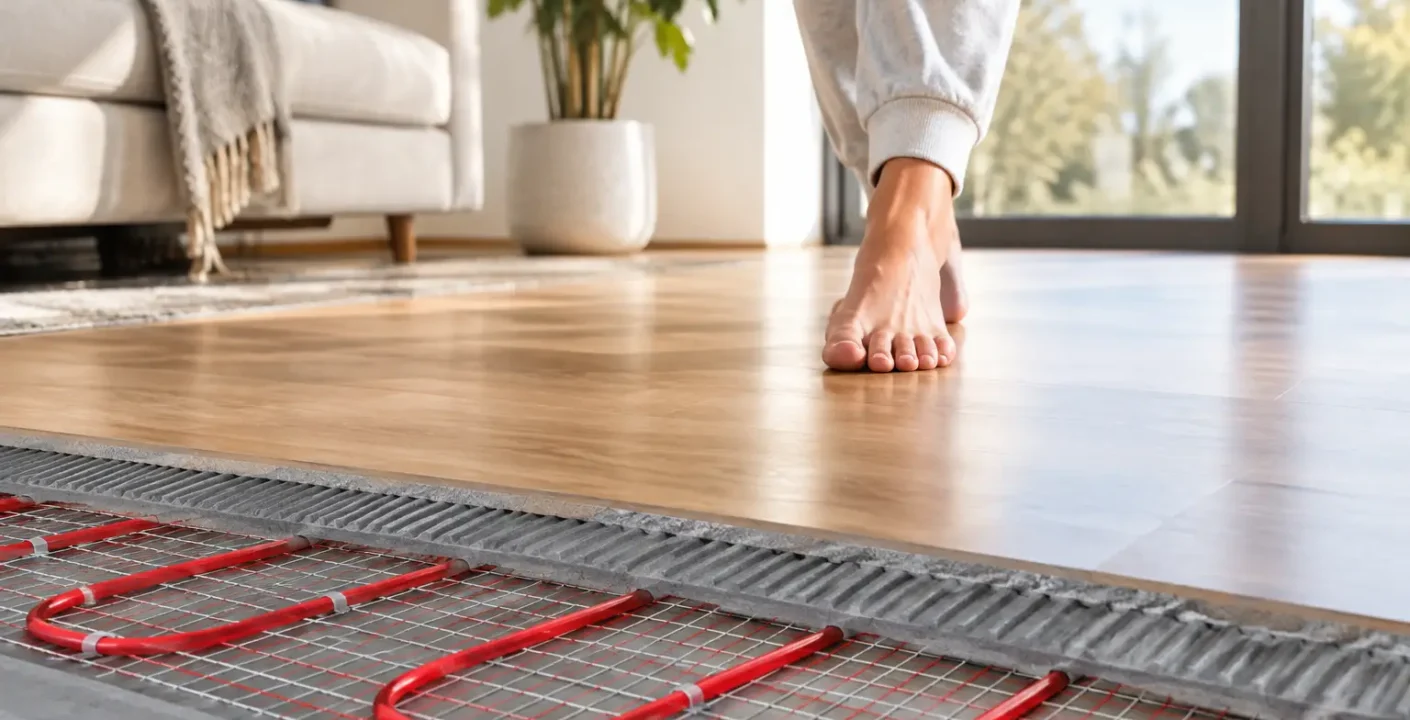
Most bathroom remodels use an electric system. Thin heating cables or mesh mats are installed over the subfloor and beneath tile, then connected to a dedicated electrical circuit and a wall thermostat. The thermostat lets you set a schedule, so the floor can warm before the household starts the day rather than running continuously.
Hydronic radiant heating uses warm water circulated through tubing. It can be an efficient choice in a whole-house design or major new construction project, but it is generally more complicated and costly for one small bathroom. For a typical bathroom renovation, electric radiant heat is usually the more practical option.
Are Heated Floors Worthwhile in a North Texas Bathroom?
They often are, especially when a bathroom is already being taken down to the subfloor. North Texas may not have months of freezing weather, but tile floors can still feel cold during winter mornings, and central HVAC does not always make a bathroom comfortable quickly. A heated floor addresses the exact place where that discomfort is most noticeable.
The value is also about consistency. Forced-air heating can create warm and cool pockets, particularly in bathrooms with exterior walls, windows, or higher ceilings. Radiant heat starts at floor level and provides an even, gentle warmth without blowing air around the room. For homeowners who want a more finished, spa-like primary bathroom, that difference is noticeable every day.
That said, a heated floor is not a universal need. In a rarely used guest bathroom, a powder room, or a rental property where budget control is the main priority, the money may be better spent on durable tile, improved lighting, ventilation, or plumbing updates. The upgrade has the greatest payoff in a primary bathroom, a frequently used hall bath, or a space designed for aging in place and everyday comfort.
The Main Benefits Homeowners Notice
The most immediate benefit is comfort. Warm floors make early mornings and nighttime routines more pleasant, especially with porcelain or ceramic tile. Natural stone can also work well with radiant heat, provided the material and installation system are selected correctly.
Radiant flooring can also help reduce reliance on a space heater. Small plug-in heaters create clutter, use outlet space, and can be a safety concern in a bathroom. A properly installed floor-warming system is concealed, controlled by a thermostat, and designed for wet-area use.
Another advantage is design freedom. Because the heat source is under the floor, there is no need to add a bulky radiator or change the bathroom layout around it. That matters in compact bathrooms where every inch of wall space is valuable for a vanity, storage, or a larger shower.
For resale, heated floors are rarely the single feature that determines a home’s price. Still, they can strengthen the overall appeal of an updated bathroom. Buyers tend to remember thoughtful details: a well-built shower, quality tilework, useful lighting, and a warm floor that makes the room feel more luxurious. It is an upgrade that supports the impression of a carefully remodeled home.
Costs and Trade-Offs to Consider
The installed cost varies with the bathroom size, the condition of the subfloor, electrical work, flooring choice, and the type of heating system. A small bathroom typically costs much less to heat than a large primary bathroom, but labor is still a meaningful part of the project because the floor must be prepared correctly and the electrical connection must be completed safely.
The operating cost is generally manageable when the system is used on a thermostat schedule. Electric radiant heat does use electricity, so it is not free comfort. However, it warms a relatively small area and does not need to run all day in most households. Programming it for the hours when the bathroom is in use can prevent wasted energy.
Installation can affect floor height. The heating mat, thinset, waterproofing approach, and tile all add layers. In a remodel, the contractor needs to account for transitions at the bathroom doorway, clearance under doors, toilet flange height, and the relationship between the finished bathroom floor and adjacent flooring. These details may sound minor, but overlooking them can lead to awkward transitions or costly corrections later.
Repairs are another consideration. Quality systems are reliable when installed properly, and the heating elements are tested before, during, and after tile installation. Still, the system sits beneath finished flooring. If damage occurs years later, diagnosing and repairing it may require specialized work. Choosing proven components, documenting the layout, and working with experienced remodeling and electrical professionals reduce that risk.
Flooring Choices Matter
Tile and stone are the most common partners for heated floors because they conduct and retain heat well. They are also popular bathroom choices for their water resistance and durability. Porcelain tile, in particular, gives homeowners extensive options in color, size, texture, and stone or wood-look styles.
Luxury vinyl plank and engineered wood may be compatible with some radiant systems, but the product manufacturer must specifically allow it. These materials can have temperature limits, and improper use may affect the flooring’s performance or warranty. Solid hardwood is usually less ideal in a bathroom because moisture and temperature changes can cause movement over time.
A good remodeling plan considers the floor assembly as a complete system. That includes the subfloor, waterproofing, heating product, mortar, grout, and finished material. Installing a heated mat beneath a floor without addressing moisture protection or substrate preparation is not a quality solution.
When It Makes the Most Sense to Add Radiant Heat
A heated floor is easiest and most cost-effective when the existing floor is already being removed. If a bathroom remodel includes new tile, a shower update, vanity replacement, or layout changes, adding radiant heat at that stage avoids tearing out a finished floor later.
It is also a strong fit for homeowners who prefer a comfortable home without visible heating equipment. Families with young children, homeowners who are planning to stay in their home for years, and people who simply dislike cold tile tend to get the most day-to-day enjoyment from the investment.
For a property owner preparing a quick cosmetic refresh before selling, it may be less essential. The same budget might deliver a better return through a fresh vanity, modern fixtures, durable flooring, paint, and repairs buyers can clearly see. The right choice depends on the scope of the project and the goals for the property.
Plan the Upgrade Before Tile Is Chosen
Heated flooring should be decided early, not after the tile has been ordered. The remodeling team needs to confirm electrical capacity, thermostat placement, floor height, heat coverage, and which areas should remain unheated. Heating elements are normally kept clear of permanent fixtures such as vanities, toilets, and certain built-in cabinetry.
It is also wise to think about how the room will be used. A programmable thermostat with weekday and weekend settings may make more sense than a basic manual control. In a larger primary bath, homeowners may choose separate zones for the main walking area and a water closet. These choices are much simpler when they are built into the plan from the beginning.
A bathroom should feel comfortable long after the remodeling crew leaves. If warm tile would improve how you use the room every morning, radiant heat is worth discussing alongside the practical essentials: waterproofing, ventilation, lighting, and quality installation. The best upgrades are not always the flashiest ones – they are the ones that make your home work better every day.