
A lot of bathroom remodels come down to one decision that affects everything else – layout, plumbing, budget, resale appeal, and how the room feels every day. If you are weighing bathtub versus walk in shower, the right answer usually depends less on trends and more on how your household actually uses the space.
In North Texas homes, we see this question come up for a few common reasons. Some homeowners are tired of a bulky tub that rarely gets used. Others want a safer setup for aging in place, or they are updating an older bathroom before selling. The best choice is the one that fits your routine now while still making sense for the value of your home later.
Bathtub versus walk in shower: what matters most
It is easy to treat this like a style decision, but function should lead. A walk in shower can make a bathroom feel larger, more open, and easier to use. A bathtub can be better for families with small children, homeowners who enjoy soaking, or anyone thinking carefully about resale in a neighborhood where buyers expect at least one tub.
The first question is not which option looks better online. It is which fixture solves the real problem in your bathroom. If the room feels cramped and hard to clean, a walk in shower may be the better upgrade. If your home only has one tub and you plan to stay marketable to future family buyers, keeping a bathtub somewhere in the house may be the smarter move.
Daily use should guide the remodel
Most homeowners know within a minute which fixture they use more often. If the tub has become a place to stack shampoo bottles and rinse paint trays, that says a lot. Many primary bathrooms in the Dallas-Fort Worth area benefit from replacing an unused garden tub with a larger shower, especially when the goal is convenience and a cleaner layout.
On the other hand, a tub still serves a real purpose in many homes. Families with young kids often find bathing much easier with a standard tub. Some homeowners also want the option of a soak at the end of the day, and that preference should not be dismissed if it genuinely adds comfort to the home.
There is also a difference between primary bathrooms and secondary bathrooms. In many cases, the primary bath is where a walk in shower adds the most value in daily life, while a hall bath or guest bath may be the better place to keep a tub.
Space and layout can change the answer
The size and shape of the bathroom matter more than many people expect. In a small bathroom, a glass-enclosed walk in shower often creates a more open sightline than a tub-shower combo with a curtain or bulky surround. That can make the entire room feel less closed in.
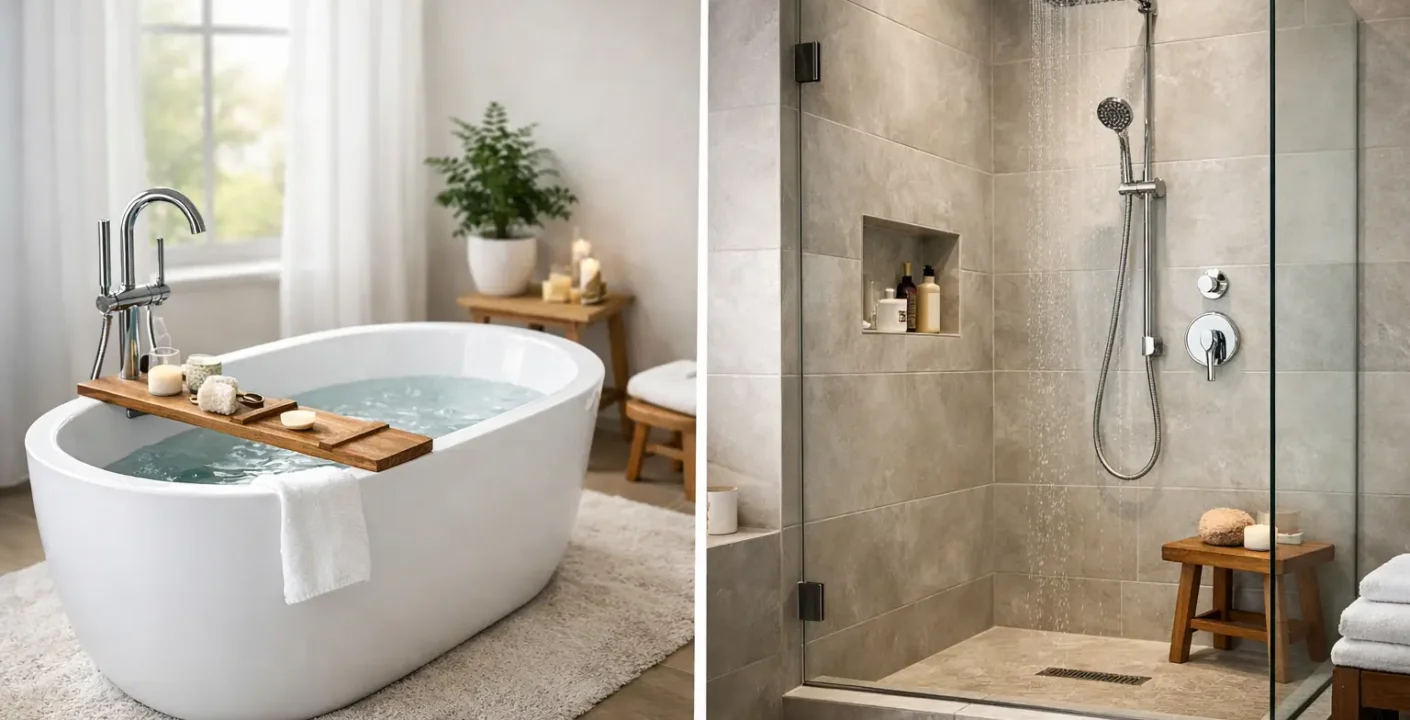
In a larger bathroom, the choice gets more flexible. You may have room for a spacious shower with a bench, niche storage, and better lighting. Or you may have enough square footage to keep both a freestanding tub and a separate shower. That is ideal for some homes, but it is not automatically the best use of budget.
A good remodel plan also has to account for drain locations, plumbing walls, and door clearances. Homeowners sometimes assume swapping a tub for a shower is simple, but the structural and plumbing details can affect both cost and timeline. That is one reason thoughtful planning up front saves frustration later.
Cost is not just about the fixture
When comparing bathtub versus walk in shower, many people want a quick price answer. The reality is that cost depends on more than whether you choose a tub or shower. Tile selections, waterproofing, glass type, plumbing changes, storage features, and accessibility upgrades all influence the final number.
A basic tub replacement can be cost-effective if the footprint stays the same and the surrounding materials are straightforward. A custom walk in shower can range widely depending on size and finishes. Frameless glass, full tile walls, linear drains, and built-in benches look great, but they also raise the investment.
That said, cost should be measured against use. Spending money on a feature you do not want or need is not really saving money. A well-designed shower that gets used every day may be a better long-term investment than preserving a tub that no one in the house wants.
Resale value depends on the whole house
Homeowners often ask which choice helps resale more. The safest answer is this: losing the only bathtub in the house can limit buyer appeal, but replacing an unused tub in a primary bath with a quality walk in shower can be a strong selling point.
Buyers tend to think about practicality. A family shopping for a home may want at least one tub for children. Empty nesters or older buyers may care more about easy access and a modern shower layout. Investors and property owners may focus on durability, broad appeal, and whether the bathroom feels updated.
This is why resale should be evaluated at the home level, not just the room level. If your house has another full bathroom with a tub, converting one tub to a walk in shower is often a very reasonable move. If your home would have no tub at all after the remodel, it is worth thinking more carefully.
Safety and accessibility often favor a walk in shower
For many homeowners, safety becomes the deciding factor. Stepping over a tub wall is not always a problem today, but it can become one later. A walk in shower with low or no threshold entry is often easier and safer for older adults, anyone with mobility concerns, or households planning to age in place.
Accessibility does not have to mean a clinical look. Modern shower designs can include slip-resistant flooring, grab bars, handheld showerheads, and bench seating without sacrificing style. In fact, many of these features appeal to homeowners of all ages because they make the bathroom more comfortable and practical.
A standard bathtub still works well for some users, but if there is any concern about balance, mobility, or long-term usability, a walk in shower usually offers the better path.
Cleaning and maintenance are different
Maintenance is another area where preferences matter. A walk in shower with large-format tile and minimal grout lines can be easier to maintain than an older tub surround. Better storage niches and quality glass coatings can also make daily upkeep simpler.
At the same time, showers with heavy glass, multiple corners, and highly textured tile can create their own cleaning demands. A bathtub can be simple to wipe down, especially if it has a basic surround, but climbing in to scrub it is not always convenient.
The right choice depends on how much maintenance you want to deal with and which materials you select. Good design can reduce cleaning work in either setup, but it should be discussed early in the planning stage.
Style matters, but it should support function
There is no question that walk in showers are popular. They look current, they photograph well, and they often make a bathroom feel more custom. For many remodels, that visual upgrade is part of the appeal.
Still, style alone should not drive the decision. Trends change, but a bathroom that works well tends to hold up better over time. A tub can still look high-end in the right setting, especially in a larger bathroom with the space to support it. A shower can feel timeless when the materials and layout are chosen for longevity instead of chasing whatever is popular for the next year or two.
How to decide between a bathtub and walk in shower
A practical decision usually comes from four questions. Do you use the tub now? Will your household need a tub in the next several years? Does your home already have another tub? And which option improves the bathroom’s function the most?
If the answers point toward everyday convenience, accessibility, and better space use, a walk in shower may be the right upgrade. If they point toward family needs, broader buyer appeal, or preserving the only tub in the home, keeping a bathtub may make more sense.
For many homeowners, the best outcome is not choosing one fixture as universally better. It is designing the bathroom around the way the home is actually lived in. That is where experienced planning matters most. A remodel should solve problems, not create new ones.
When you look at bathtub versus walk in shower through that lens, the decision gets clearer. Choose the option that fits your routine, supports your long-term plans, and adds value in a way you will feel every single day you use the room.