
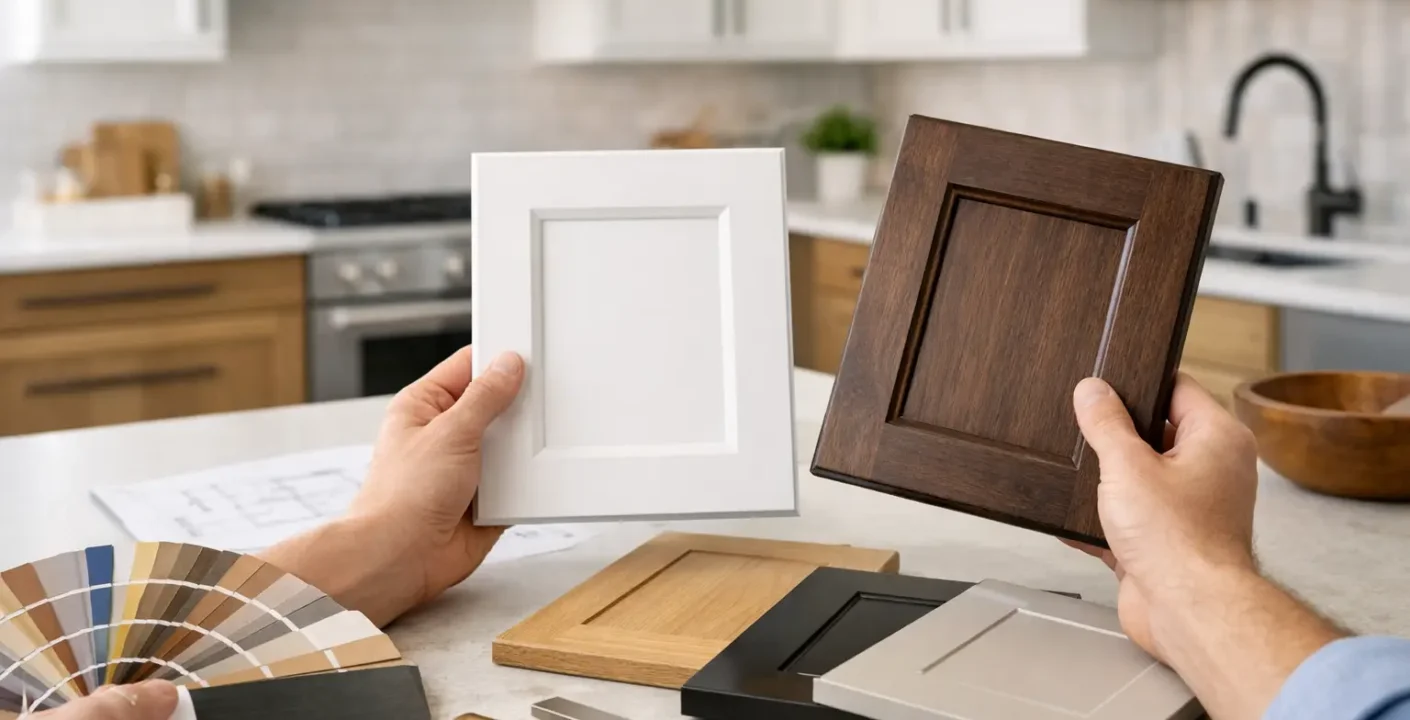
A cabinet sample can look perfect under showroom lighting and still be the wrong choice for your kitchen. That is why homeowners asking how to choose kitchen cabinets usually need more than color ideas. They need a way to balance style, storage, durability, and budget without making a decision they regret every day.
Cabinets do a lot of heavy lifting in a kitchen remodel. They shape how the room looks, determine how well it functions, and make up a large share of the total investment. If you start with appearance alone, it is easy to overspend in the wrong places or miss practical details that matter more once real life moves back in.
How to Choose Kitchen Cabinets for Real Life
The best cabinet choice starts with how you use your kitchen now, not how you hope it looks in photos. A household that cooks every night needs something different from a household that mainly reheats meals and entertains on weekends. Families with young kids may care more about easy-clean finishes and durable doors, while empty nesters may want better organization and a more open feel.
Before choosing door styles or paint colors, think about where the current kitchen falls short. Maybe you do not have enough drawer space for pots and pans. Maybe upper cabinets feel too shallow, or a corner cabinet wastes usable storage. These frustrations should guide your decisions because cabinets are not just decorative. They are part of the kitchen’s daily workflow.
It also helps to think long term. If you plan to stay in the home for many years, it may make sense to prioritize storage upgrades and stronger materials over trend-driven details. If resale is a major goal, a clean and timeless cabinet design often appeals to more buyers than something highly specific.
Start With Cabinet Type and Construction
One of the first decisions is whether you need stock, semi-custom, or custom cabinets. The right answer depends on your layout, goals, and budget.
Stock cabinets are the most budget-friendly and come in standard sizes and limited styles. They can work well in straightforward kitchen layouts, especially when cost control is the top priority. The trade-off is less flexibility. If your kitchen has unusual dimensions or you want specialized storage, stock options can feel restrictive.
Semi-custom cabinets give you more choices in sizes, finishes, and features. For many homeowners, this is the middle ground that offers better function without the full cost of custom work. You can often adjust cabinet depth, add accessories, and choose from a broader range of door styles.
Custom cabinets are built for your specific space and priorities. They are especially useful in older homes, kitchens with challenging layouts, or projects where every inch matters. They also allow more personalization in wood species, finish, storage design, and trim details. The trade-off is cost and, in some cases, lead time.
Construction quality matters just as much as cabinet category. Look at the cabinet box, drawer construction, hardware, and how the doors are built. Plywood boxes generally perform better than lower-grade particleboard in demanding environments, though well-made engineered materials can still be a solid option depending on the product. Soft-close hinges and full-extension drawer slides are not just luxury add-ons. They improve everyday use and reduce wear over time.
Choose Materials That Match Your Priorities
If you are figuring out how to choose kitchen cabinets, material selection is where many homeowners either protect their investment or create future maintenance issues.
Solid wood doors are a popular choice because they look substantial and can last for many years. Different wood species vary in grain, hardness, and price. Painted wood cabinets offer a classic look, but they can show wear at joints over time as the material naturally expands and contracts.
MDF is often used for painted cabinet doors because it has a smooth surface and resists the visible grain pattern that can show through paint on some woods. It can be a smart choice for homeowners who want a clean painted finish. The trade-off is that it does not perform the same way as solid wood in every condition.
Thermofoil and laminate options can be easier on the budget and simple to clean, but quality varies. In some kitchens, especially those with more heat and moisture exposure, lower-end versions may not hold up as well as better-built wood or engineered alternatives.
This is where a practical conversation matters more than a showroom pitch. The best material is not always the most expensive one. It is the one that fits your household, cooking habits, and expectations for maintenance.
Balance Style With Staying Power
Cabinet style sets the tone for the whole kitchen, but this is one area where homeowners can get pulled too far by trends. A bold style may feel exciting today and dated faster than expected.
Shaker cabinets remain popular for a reason. They are simple, versatile, and fit well in traditional, transitional, and modern kitchens. Slab doors create a cleaner, more contemporary look. Raised-panel doors can work beautifully in more classic homes, though they often feel more formal.
Finish matters too. White cabinets continue to be a safe and attractive choice because they brighten the room and have broad appeal. Wood tones are also strong contenders, especially warmer stains that bring depth and character. Dark cabinets can look rich and dramatic, but they may make smaller kitchens feel tighter and often show dust and fingerprints more easily.
A good rule is to choose the permanent elements with restraint and express personality through fixtures, hardware, lighting, or backsplash materials. Cabinets take up too much visual and financial space to be selected like a short-term accessory.
Do Not Overlook Storage Function
Beautiful cabinets will not feel successful if they do not solve storage problems. This is one of the most common issues in kitchen remodeling. Homeowners focus on the outside and realize later that the inside still does not work.
Drawers are often more useful than lower cabinets with doors, especially for cookware, containers, and everyday items. Deep drawers reduce bending and make contents easier to reach. Pull-out trays can improve access in base cabinets. Trash and recycling pull-outs help keep the kitchen cleaner and less cluttered.
Corner storage needs special attention. Lazy Susans, swing-out shelves, or smart pull-out systems can make that space far more usable. Pantry design matters too. Sometimes a few well-planned pantry cabinets outperform a larger amount of basic shelving.
Think through where dishes, spices, small appliances, and food storage actually belong. A kitchen works best when cabinet placement supports the way you move through cooking, serving, and cleanup.
Set a Budget With Clear Priorities
Cabinets can consume a large part of a kitchen remodel budget, so this is not the place to make decisions vaguely. It helps to know where you are willing to spend more and where simpler choices are acceptable.
If budget is tight, prioritize construction quality and functional upgrades over decorative extras. Strong drawers, reliable hinges, and better layout planning usually add more daily value than elaborate trim details. You may also save by mixing choices, such as using a premium finish on visible perimeter cabinets while keeping island or pantry selections simpler, depending on the design.
Installation quality matters too. Even good cabinets can underperform if they are installed poorly. Doors can hang unevenly, drawers may not glide correctly, and gaps become obvious. That is one reason many homeowners prefer working with an experienced remodeling contractor rather than trying to piece together products and installers separately.
Work With the Kitchen You Actually Have
North Texas homes vary widely, and cabinet choices should reflect the home itself. Ceiling height, wall conditions, appliance placement, and existing traffic patterns all affect what makes sense.
In a smaller kitchen, lighter finishes and thoughtful storage solutions can make the room feel more open and more efficient. In a larger kitchen, the challenge is often preventing the cabinetry from feeling flat or oversized. That may mean mixing finishes, adding glass accents selectively, or using an island to introduce contrast without making the whole room busy.
If the kitchen opens into living space, cabinet style should also make sense with the rest of the home. A kitchen does not need to match every nearby room exactly, but it should feel connected.
Homeowners in Sachse and the greater Dallas-Fort Worth area often want upgrades that improve both everyday comfort and long-term value. That usually points toward cabinets that are durable, broadly appealing, and tailored to the home’s layout rather than overly customized around short-lived trends.
When to Ask for Professional Guidance
There is a difference between picking cabinets and choosing the right cabinet plan. A contractor or remodeling professional can help you spot layout issues, compare quality levels, and avoid paying for features that do not improve the final result.
This is especially useful if your project involves changing the kitchen footprint, adding an island, relocating appliances, or trying to maximize storage in a difficult layout. An experienced team can also help coordinate cabinet selection with countertops, flooring, lighting, and paint so the kitchen feels cohesive instead of pieced together.
At Oak Custom Remodeling, that kind of guidance is often what helps homeowners move from uncertainty to a kitchen plan they feel confident about.
The right cabinets should make your kitchen easier to live in every single day. If a choice looks good, fits your budget, and still works hard after the novelty wears off, you are probably on the right track.