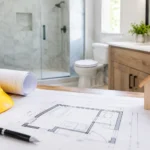

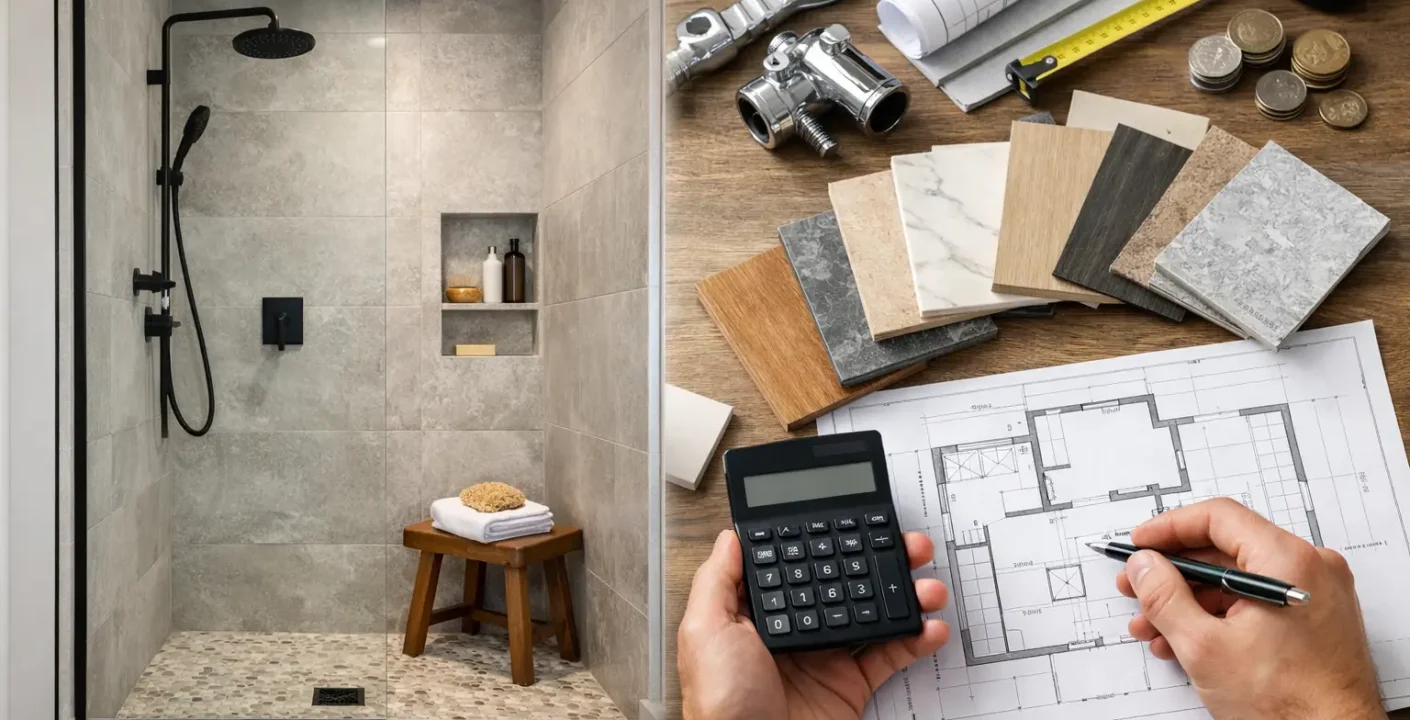
A walk in shower can make a bathroom feel larger, easier to use, and more current, but the first question most homeowners ask is the right one: what is the real walk in shower remodel cost? In North Texas, the answer depends less on the shower style itself and more on what has to happen behind the walls, under the floor, and around the rest of the bathroom to make the finished result look right and last.
What is the average walk in shower remodel cost?
For most homeowners, a walk in shower remodel cost falls somewhere between $8,000 and $20,000. A simpler replacement with standard materials may come in near the lower end, while a custom shower with tile work, glass, layout changes, and upgraded plumbing fixtures can move well beyond that range.
That wide spread is not a pricing trick. It reflects the fact that one “walk in shower remodel” might mean removing an old fiberglass insert and installing a new shower in the same footprint, while another might involve taking out a tub, relocating drains, waterproofing from scratch, and building a fully tiled shower with custom glass.
In higher-value homes, or in bathrooms where owners want a more polished design, costs often rise because the shower has to match the overall quality of the space. A beautiful custom shower can look out of place if the surrounding flooring, vanity area, or paint is tired, so many projects naturally expand once planning begins.
What drives walk in shower remodel cost the most?
The biggest cost factors are usually labor, waterproofing, tile work, glass, and plumbing changes. Materials matter, but skilled installation matters just as much. A shower is one of the most moisture-exposed areas in a home, and mistakes behind the finished surface are expensive to fix later.
Demolition and prep work
If the old shower or tub comes out cleanly and the framing underneath is in good shape, the project starts on solid ground. If the contractor finds water damage, mold, uneven subfloors, or framing that needs correction, the price climbs. This is common in older bathrooms, especially when previous work was done with limited waterproofing.
Prep work is not the exciting part of a remodel, but it often determines how well the finished shower performs. Skipping proper prep may reduce the initial price, but it increases the chance of leaks, loose tile, and early wear.
Shower size and layout
Larger showers require more materials and labor, but layout changes tend to affect budget even more than size. Keeping the shower in the same location usually saves money. Moving the drain, shifting plumbing lines, or changing walls can add meaningful cost because the work becomes more complex and time-intensive.
A tub-to-shower conversion is a common request, and it can be a smart upgrade for daily use and accessibility. It can also cost more than a straightforward shower replacement if the floor needs to be reworked or the surrounding walls need full reconstruction.
Tile and wall materials
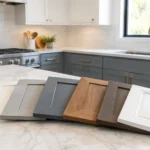
Material selection can move the budget quickly. Standard ceramic tile is typically more budget-friendly than large-format porcelain, natural stone, or intricate mosaic details. At the same time, material cost is only part of the picture. Small tile patterns and detailed layouts often increase labor significantly because they take longer to install and grout.
Homeowners sometimes assume a prefabricated wall system is always the cheaper path. Often it is, but not always by as much as expected once trim, accessories, and surrounding repairs are added. Custom tile generally costs more, but it also offers more control over appearance, sizing, and resale appeal.
Glass enclosure choices
Frameless glass is one of the most requested upgrades in walk in showers, and it is also one of the more noticeable price drivers. It gives the bathroom a cleaner, more open look, but custom glass panels and hardware are not inexpensive.
A simple shower curtain or basic framed enclosure lowers cost. A heavy frameless panel with premium hardware raises it. This is a classic remodel decision where aesthetics and budget need to be balanced honestly.
Plumbing fixtures and upgrades
New shower valves, rain heads, handheld sprayers, body sprays, and niche lighting can all improve the experience of the space. They can also stretch the budget quickly. If the plumbing is being updated anyway, this may be the right time to make those changes. If the goal is keeping costs under control, choosing one or two meaningful fixture upgrades usually delivers better value than trying to include every option.
Cost ranges by project type
A basic walk in shower remodel usually involves replacing an existing shower in the same footprint, using straightforward materials and limited custom work. That kind of project often lands around $8,000 to $12,000, depending on demolition, fixture choices, and the condition of the existing space.
A mid-range remodel often includes tiled walls, improved waterproofing, a built-in niche or bench, upgraded fixtures, and a glass enclosure. Many homeowners in this category spend about $12,000 to $18,000.
A higher-end project may include a tub-to-shower conversion, custom tile design, frameless glass, premium plumbing fixtures, accessibility features, and layout modifications. These projects commonly start around $18,000 and can go well beyond $25,000 depending on the home and finish level.
These numbers are best treated as planning ranges, not fixed promises. The only reliable way to price a shower accurately is to look at the existing bathroom, define the scope clearly, and account for material selections before work begins.
Where homeowners should spend carefully
Not every upgrade delivers the same return. In most bathrooms, waterproofing, proper installation, and quality plumbing components are worth protecting in the budget. These are the parts of the job that keep the shower functioning well for years.
Tile choice deserves thought, but expensive tile alone does not guarantee a better result. Clean layout, good proportions, and skilled installation often matter more than choosing the most premium material in the showroom.
Glass is another area where spending should match the home. In many homes, frameless glass is worth it because it changes the feel of the room. In others, a simpler enclosure may make more financial sense, especially if the bathroom is being updated for practical use rather than a luxury finish.
The hidden costs homeowners sometimes miss
One reason remodeling budgets get stressed is that homeowners often price only the visible shower components. The hidden costs tend to include permit requirements, plumbing corrections, structural repairs, upgraded exhaust ventilation, and finishing work outside the shower itself.
For example, once a new walk in shower is installed, old flooring, baseboards, paint, or lighting in the rest of the bathroom may suddenly look dated. That does not mean the whole room must be redone, but it is worth thinking about how the shower will fit into the space as a whole.
This is where working with an experienced full-service contractor can make planning easier. A company like Oak Custom Remodeling can help homeowners understand whether the shower should be treated as a standalone upgrade or part of a broader bathroom improvement plan.
How to budget realistically for a walk in shower remodel cost
Start with your must-haves, not just your wish list. If better accessibility, easier cleaning, and durable finishes are the top priorities, those goals should shape the design. If the project is also intended to boost resale value, the material and style choices should fit the home and neighborhood rather than chase trends that may age quickly.
It also helps to carry a contingency, especially in older homes. Even a well-planned shower remodel can uncover issues once demolition begins. A reasonable cushion helps avoid rushed decisions if repairs are needed.
Most importantly, compare bids carefully. A lower quote is not always a better value if it leaves out waterproofing details, prep work, glass specifications, or finish allowances. Homeowners should be able to see what is included, what is excluded, and where allowances might change the final number.
Is a walk in shower worth the cost?
For many homeowners, yes. A well-built walk in shower improves daily use, modernizes the bathroom, and can make the home more appealing to future buyers. It can also be a practical step for aging in place or simply making the bathroom more comfortable for a busy household.
That said, value depends on execution. A rushed installation or bargain-first approach can create problems that erase the original savings. A shower remodel tends to be worth the investment when it is planned around real needs, built with the right materials, and installed by a contractor who understands both design and construction.
If you are weighing your options, the best next step is not guessing from national averages. It is getting a clear local assessment of your bathroom, your goals, and the scope needed to do the job right. That kind of planning usually saves more money than trying to trim the project after work has already started.