

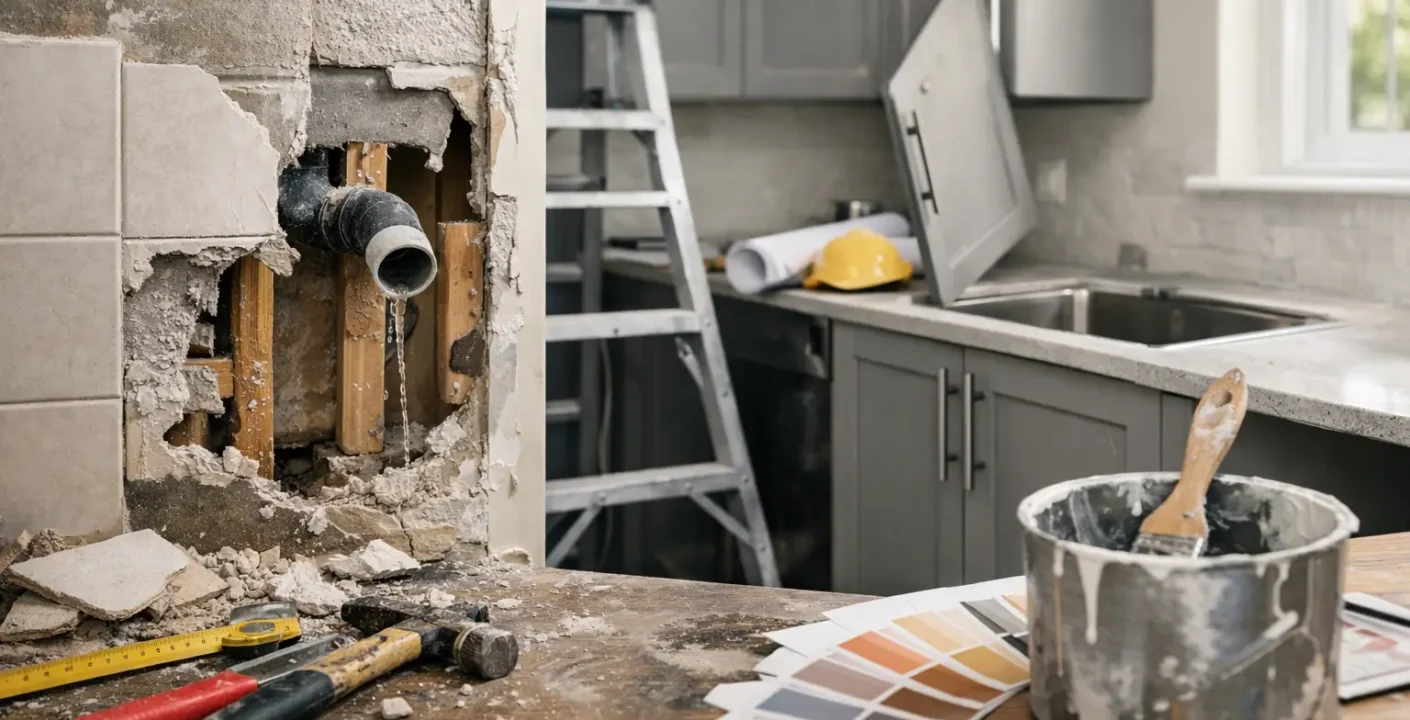
A remodel can look exciting on paper and still go sideways once work begins. The most common home remodeling mistakes to avoid are rarely dramatic design failures. More often, they are planning gaps, communication breakdowns, and decisions made too late. Those small issues are what turn a straightforward bathroom, kitchen, or flooring project into weeks of frustration and added cost.
For homeowners in Sachse and across the Dallas-Fort Worth area, remodeling is usually about more than appearance. It is an investment in daily comfort, resale value, and the overall function of the home. That is why avoiding preventable mistakes matters just as much as choosing the right tile, paint color, or cabinet style.
The home remodeling mistakes to avoid start before demolition
Many remodeling problems begin long before the first tool comes out. Homeowners often think the hard part is construction, but the planning stage is where budgets, timelines, and expectations are either protected or put at risk.
One of the biggest mistakes is starting with a vague scope. Saying you want a better bathroom or a more modern kitchen is a fine starting point, but it is not enough to guide a successful project. You need clarity on what is changing, what is staying, what matters most, and what your spending limit really is. Without that, every decision becomes harder once the work is underway.
Another common issue is underestimating the real cost of quality work. Materials, labor, permitting, and hidden conditions behind walls all affect pricing. In older homes especially, once demolition starts, it is not unusual to uncover water damage, outdated wiring, or structural issues that need attention before finishes go in. A remodel budget should always include room for the unexpected.
Choosing price over process
Every homeowner wants fair pricing. That makes sense. But one of the most expensive home remodeling mistakes to avoid is hiring solely based on the lowest bid.
A low estimate can look appealing until you realize it left out important details. Sometimes that means cheaper materials. Other times it means unrealistic labor assumptions, limited project management, or a quote that does not fully account for the actual scope. The result is often change orders, delays, or a final product that does not hold up the way it should.
A better approach is to look at how a contractor communicates, how clearly the proposal is written, and whether the company has a strong local track record. Homeowners are not just paying for materials and labor. They are paying for coordination, accountability, and the ability to solve problems when conditions change.
Making design decisions too late
It is normal to refine details as a project takes shape, but making major selections too late can create a chain reaction. Cabinets affect layout. Tile affects waterproofing details and installation time. Plumbing fixtures affect rough-in locations. Flooring choices can impact transitions from room to room.
When homeowners delay these decisions, schedules can slip while materials are ordered or plans are adjusted. In some cases, a late change also means redoing work that was already completed. That is why it helps to make the biggest design and material decisions early, especially for kitchens, bathrooms, laundry rooms, and multi-room renovations.
This does not mean every finish must be chosen months in advance. It means the core elements should be settled before construction reaches the point where those choices affect labor and sequencing.
Ignoring how the space actually functions
A remodel should look better, but it should also live better. One mistake homeowners make is focusing so heavily on visual inspiration that they overlook daily use.
In bathrooms, that can mean not planning enough storage, choosing a vanity that looks great but feels cramped, or skipping practical lighting around mirrors. In kitchens, it often shows up as poor traffic flow, limited prep space, or cabinets that do not match how the household actually cooks and stores items. Flooring, paint, and cabinetry all need to support the way the home is used, not just the way it photographs.
This is where experience matters. A good remodeling plan balances style and practicality. The right layout, durable materials, and thoughtful details usually add more long-term value than trendy features that do not fit the household.
Overlooking permits and code requirements
Some homeowners assume permits are only for major additions or structural work. In reality, many remodeling projects involve electrical, plumbing, roofing, or mechanical updates that must meet local code requirements.
Skipping this step can create serious problems. It may affect safety, insurance issues, future resale, and the ability to pass inspections. It can also lead to costly corrections if work has to be reopened or redone.
In North Texas, local requirements can vary by municipality, so it helps to work with a contractor who understands the process and handles compliance correctly. This is not the most exciting part of remodeling, but it is one of the most important.
Expecting a perfect schedule with no disruption
Homeowners naturally want a clear timeline, and they should have one. But another one of the major home remodeling mistakes to avoid is expecting construction to work like a fixed delivery date with no variables.
Weather can affect roofing and exterior work. Material lead times can shift. Hidden damage can change the scope. Inspection scheduling can add time. None of that means a project is being mishandled. It means remodeling involves real conditions inside real homes.
The key is not demanding an unrealistic promise. The key is working with a team that communicates clearly when conditions change, explains the next steps, and keeps the project moving responsibly. Reliable timelines matter, but honest timelines matter more.
Trying to live through a poorly planned renovation
Some disruption is unavoidable, but poor planning makes it much harder than it needs to be. If a kitchen is down for weeks, where will meals happen? If a primary bathroom is under construction, what is the backup plan? If flooring is being replaced throughout the house, how will furniture and pets be managed?
These details may seem small compared to material selections and budgets, but they have a major effect on stress levels during the project. Families with children, work-from-home schedules, or limited extra space especially benefit from talking through logistics before work begins.
A dependable contractor should help set realistic expectations for access, noise, cleanup, and day-to-day disruptions. Good preparation does not remove inconvenience, but it does make the process more manageable.
Using the wrong materials for the room
Not every attractive material is a practical fit. Bathrooms, kitchens, laundry rooms, and entry areas all deal with moisture, temperature changes, and heavy traffic. Choosing finishes based only on appearance can lead to maintenance problems and early wear.
For example, some flooring products hold up better against water than others. Some paint finishes are easier to clean in high-use spaces. Some countertop materials require more upkeep than homeowners expect. Custom cabinetry can improve both fit and function, but only if the design and finish are suited to the room.
There is always a trade-off between cost, appearance, durability, and maintenance. The right choice depends on the room, the household, and the long-term goals for the property. A practical recommendation is usually worth more than a trendy one.
Failing to communicate changes clearly
Even well-planned remodeling projects can evolve. Homeowners may want to adjust a finish, expand part of the scope, or upgrade a feature once the work is underway. That is not unusual. Problems start when those changes are discussed casually but not documented clearly.
Verbal assumptions create confusion about pricing, schedule impact, and responsibility. A simple change in tile pattern or fixture placement can affect labor time and material needs. If everyone is not working from the same understanding, frustration follows quickly.
Clear communication protects both the homeowner and the contractor. It keeps expectations aligned and helps avoid disputes over what was requested, approved, or included.
Prioritizing short-term savings over long-term value
Some upgrades are cosmetic. Others affect performance for years. It is easy to cut corners in places that are not immediately visible, such as waterproofing, subfloor repair, ventilation, prep work, or installation quality. That decision may save money upfront, but it often costs more later.
This is especially true in bathrooms and kitchens, where moisture, daily wear, and frequent use expose poor workmanship quickly. High-quality remodeling is not just about the finished look on day one. It is about how the space performs after years of use.
That is one reason many North Texas homeowners prefer working with an experienced local contractor like Oak Custom Remodeling. The goal is not simply to finish the project. It is to complete it in a way that adds lasting value and reduces the chance of avoidable repairs.
Why the right planning makes all the difference
Most remodeling mistakes are preventable when the project starts with honest budgeting, thoughtful design, and clear communication. Homeowners do not need to know every technical detail, but they do need a process that makes decisions easier and risks more visible.
If you are planning a bathroom remodel, kitchen update, new flooring, or a broader home improvement project, slow down enough to ask the right questions early. Good remodeling is not about rushing to demolition. It is about making solid decisions before the work begins, so the finished space feels just as right in daily life as it did in the original plan.
The best remodels are not the ones with the biggest budgets or the boldest finishes. They are the ones that solve the right problems, hold up over time, and leave homeowners feeling confident they made a smart investment.