
A kitchen drawer that cannot hold cooking tools, a bathroom vanity crowded with cords, or a laundry room with nowhere to sort clothes can make a well-loved home feel harder to manage. Custom cabinetry addresses those everyday frustrations by fitting storage to the room, the layout, and the way your household actually lives.
For homeowners in Sachse and across the Dallas-Fort Worth area, custom cabinets are not just a design upgrade. They can improve workflow, reduce clutter, make better use of square footage, and add a finished look that supports long-term home value. The key is making choices based on function first, then selecting the materials and details that fit your budget and style.
When Custom Cabinetry Makes the Most Sense
Stock cabinets can be a practical choice for a straightforward room with standard dimensions. They are generally faster to source and often cost less upfront. But standard cabinet sizes can leave gaps, waste usable wall space, and create compromises around appliances, plumbing, or unusual room layouts.
Custom cabinetry is especially worthwhile when your room has awkward corners, low ceilings, a narrow footprint, or a layout that needs to do more than one job. It is also a strong option when you want cabinetry that integrates with a larger remodeling plan, such as a kitchen renovation, bathroom remodel, built-in entertainment wall, home office, or laundry room update.
The advantage is not simply that the cabinets are made to a specific measurement. It is that every choice can serve a purpose. A shallow cabinet can become a practical spice pullout. A deep drawer can organize pots and pans. A vanity can be designed around plumbing while still leaving room for toiletries, towels, and charging stations.
Start With How the Room Is Used
The best cabinet plan begins with a clear look at daily routines. Before discussing door styles or paint colors, think about what frustrates you in the space now. Where does clutter collect? What items are difficult to reach? Which tasks require too much walking, bending, or searching?
A family kitchen may need wider drawers for dishes, a pantry with adjustable shelves, and a designated area for lunch supplies. A primary bathroom may benefit from separated storage for two users, plus tall cabinets for linens. In a laundry room, cabinetry can create a place for detergent, pet supplies, baskets, and folding without taking over the room.
Kitchens Need Storage That Supports the Workflow
Kitchen cabinets should support the path between the refrigerator, sink, cooktop, and prep areas. This does not mean every kitchen needs the same layout. A household that cooks most nights will need a different storage plan than one that entertains frequently or relies on quick meals between school and work.
Consider how cookware, dishes, small appliances, trash, and pantry items are used. Drawers are often more accessible than deep lower cabinets because they bring contents forward rather than forcing you to reach into a dark back corner. Vertical tray storage can protect baking sheets and cutting boards, while a cabinet designed around a microwave or coffee station can free valuable counter space.
Bathrooms Require Thoughtful Use of Every Inch
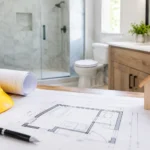
Bathroom cabinetry has to work around a smaller footprint, moisture, plumbing, and limited floor space. A custom vanity can provide useful drawer storage where a standard cabinet might only offer a large open area around pipes.
If two people use the bathroom each morning, separate zones can make routines less crowded. Recessed medicine cabinets, linen towers, and built-in niches can also reduce countertop clutter. Material selection matters here, since cabinets should be suited to a room with humidity and regular exposure to water.
Laundry Rooms and Built-Ins Add Everyday Value
Laundry rooms are often treated as utility spaces, but they can become some of the most functional rooms in the home. Cabinets above appliances, a folding counter, pullout hampers, and dedicated storage for cleaning products can make weekly chores easier to manage.
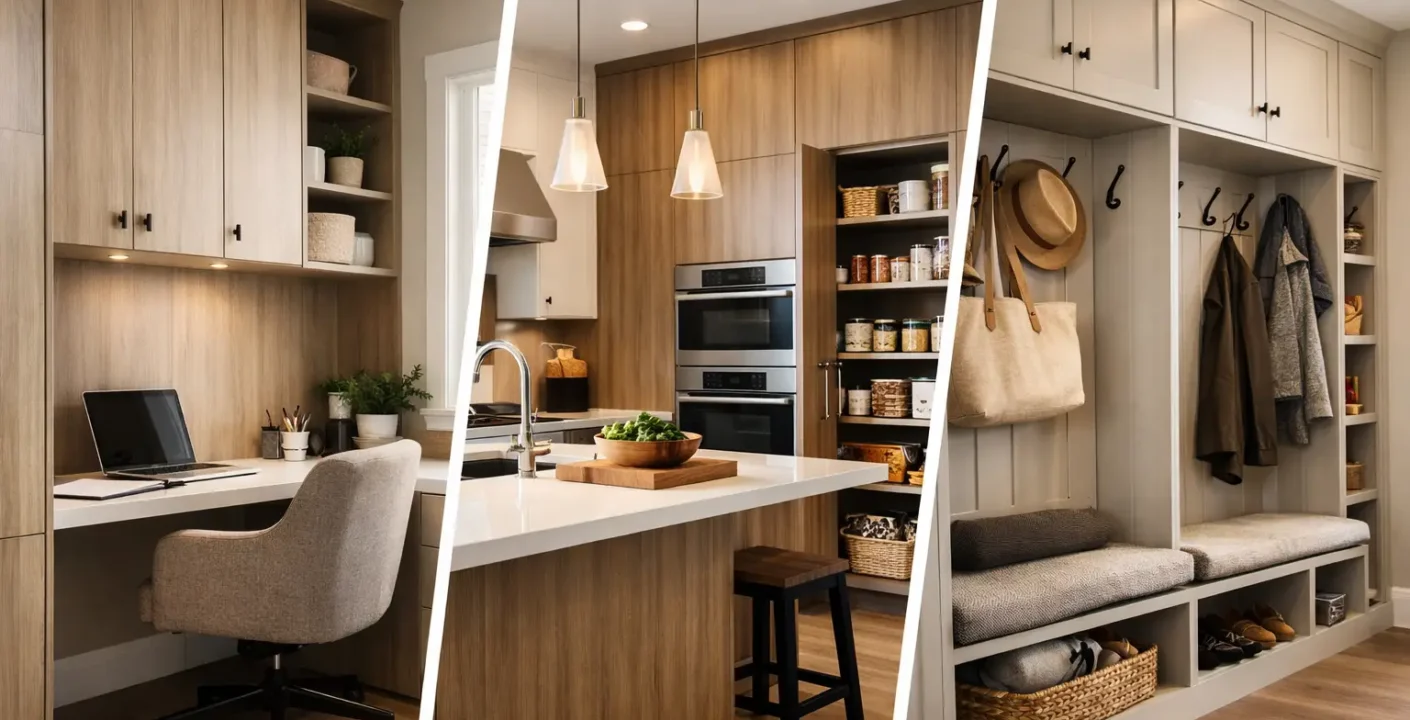
Built-in cabinetry can also improve living rooms, entryways, offices, and bedrooms. A carefully designed mudroom drop zone can contain backpacks and shoes. A living room built-in can conceal media equipment and organize books. In a home office, cabinets and shelves can make a work area feel intentional rather than temporary.
Choose Construction for Durability, Not Just Appearance
Cabinet doors get most of the attention, but the cabinet box, hardware, and installation quality have a major effect on how cabinetry performs over time. Well-built drawers, sturdy shelving, properly aligned doors, and dependable hinges matter every day.
Plywood cabinet boxes are commonly valued for strength and resistance to warping, while furniture-grade materials can provide a smooth, consistent finish for painted cabinet fronts. Solid wood is attractive and durable, but it can expand and contract with changes in temperature and humidity. The right choice depends on the cabinet location, desired finish, budget, and expected use.
Hardware is another area where small decisions make a noticeable difference. Soft-close hinges and drawer glides create a quieter experience and help prevent doors and drawers from slamming. Full-extension drawer slides allow you to use the entire depth of a drawer. These features may add cost, but they often improve convenience and help cabinetry stand up to busy family life.
Balance Style With What Will Age Well
Custom cabinetry should feel at home with the rest of your property, not disconnected from it. Cabinet color, door profile, hardware, and surrounding finishes should work together with flooring, countertops, paint, and lighting.
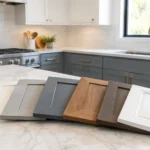
Simple shaker-style doors remain popular because they work with many traditional, transitional, and contemporary spaces. Flat-panel doors offer a cleaner, more modern look. Natural wood tones can add warmth, while painted cabinets provide flexibility across a range of color palettes.
Trend-driven choices can be appealing, but it helps to consider how long you plan to keep the home and whether the design will still feel appropriate in several years. If resale value is a priority, a timeless cabinet style with thoughtful storage usually offers broader appeal than highly specialized colors or decorative details. That does not mean every choice must be neutral. It means bold selections should be used where they fit your personal style and the overall design plan.
Plan the Budget Around the Details That Matter Most
The cost of custom cabinetry depends on the number of cabinets, materials, finish, hardware, room conditions, and installation requirements. A cabinet project may also involve electrical work, plumbing changes, drywall repair, flooring adjustments, countertop installation, or appliance coordination.
It helps to prioritize features that solve real problems. If budget requires trade-offs, invest first in durable construction, quality hardware, and the storage features you will use every day. Decorative upgrades can often be simplified without reducing the overall function of the room.
Clear planning also prevents surprises. Measurements should be verified before fabrication, and the project scope should account for trim, fillers, wall conditions, and any necessary changes behind the cabinets. A dependable remodeling contractor can coordinate these details so cabinetry is installed as part of a complete, well-managed project rather than as a separate piece of the work.
Work With a Team That Sees the Whole Remodel
Cabinets rarely exist in isolation. They affect countertop dimensions, backsplash placement, plumbing locations, lighting, appliance clearances, and how a room feels when it is finished. That is why homeowners often benefit from working with a remodeling team that understands the full scope of the renovation.
Since 2005, Oak Custom Remodeling has helped North Texas homeowners make practical decisions that bring together craftsmanship, function, and lasting value. A hands-on approach to planning helps ensure the cabinetry fits the room and supports the way your home needs to work.
The most successful cabinet projects are not defined by the most expensive finish or the largest number of features. They are defined by details that make daily life easier – a drawer where it is needed, a shelf that holds what it should, and a room that finally feels organized around you.