
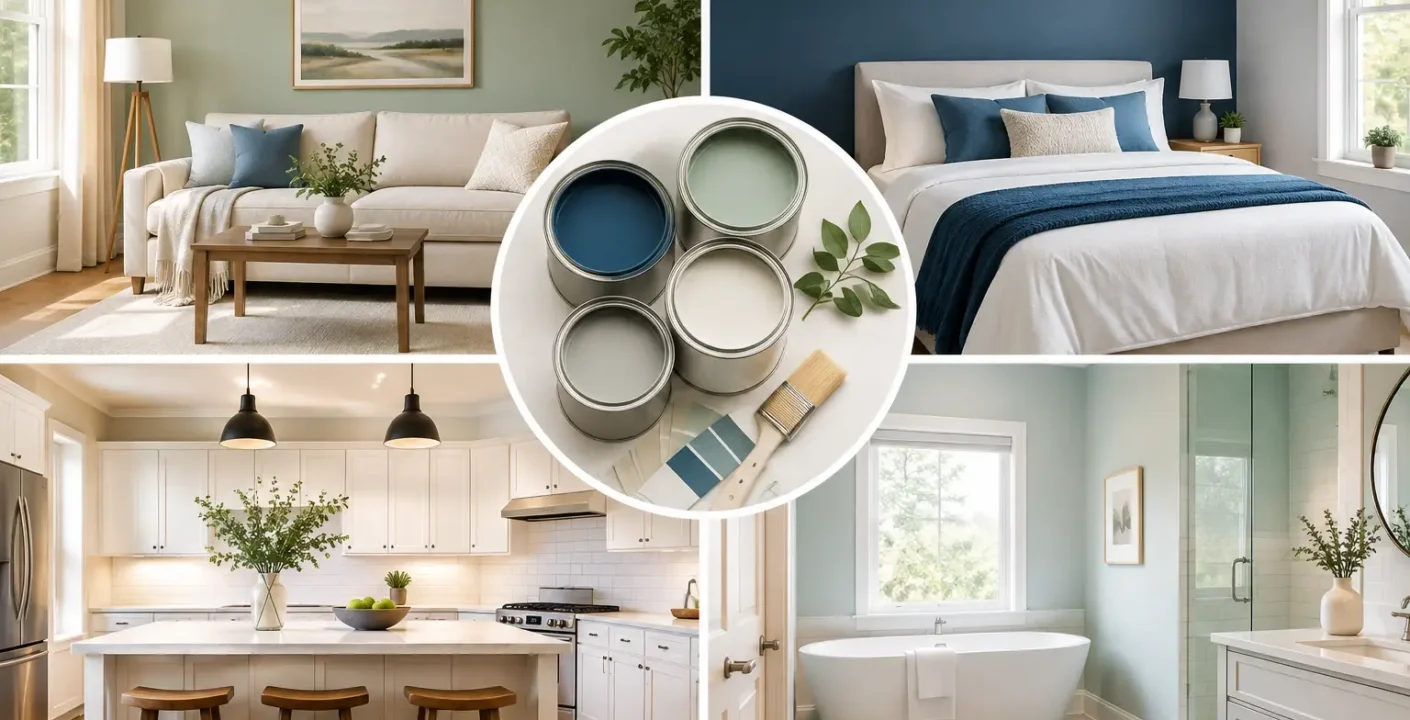
A fresh interior paint color can change a room quickly, but the wrong sheen can make that same room harder to clean, more likely to show imperfections, or too reflective for its purpose. Choosing the best paint finishes indoors is about more than appearance. It is a practical decision that affects maintenance, durability, lighting, and how well the finished space holds up to daily life.
For homeowners in Sachse and the Dallas-Fort Worth area, the right answer usually depends on the room, the condition of the walls, and who uses the space. A busy family kitchen needs different protection than a quiet guest bedroom. Understanding the differences before painting helps prevent expensive do-overs and supports a polished, long-lasting result.
What Paint Finish Actually Means
Paint finish, also called sheen, describes how much light a painted surface reflects. Low-sheen paints absorb more light and look softer. Higher-sheen paints reflect more light, creating a more noticeable shine and a smoother-looking surface.
Generally, more sheen means better resistance to moisture, stains, and repeated cleaning. The trade-off is that glossier paints reveal more wall flaws, including patches, nail pops, uneven drywall texture, and brush marks. A finish that looks beautiful on a perfectly prepared wall can be frustrating on an older wall with visible wear.
Most interior paint selections fall into five main categories: flat or matte, eggshell, satin, semi-gloss, and high-gloss. Each has a place in a well-planned home.
The Best Paint Finishes Indoors by Room
Flat or Matte for Ceilings and Low-Traffic Bedrooms
Flat and matte finishes have little to no shine. They are excellent at hiding minor imperfections, which makes them a strong choice for ceilings and walls that are not touched often. A matte finish also gives bedrooms, formal dining rooms, and home offices a calm, refined appearance.
The drawback is cleanability. Traditional flat paint can scuff easily and may burnish, or develop shiny spots, when scrubbed. Newer washable matte paints have improved this concern, but they still are not the first choice for homes with young children, pets, or high-contact walls.
For most homes, flat paint remains the practical standard for ceilings. It reduces glare from overhead lighting and disguises the small surface irregularities that ceilings naturally develop over time.
Eggshell for Main Living Areas
Eggshell is one of the most versatile choices for interior walls. It has a soft, low-luster appearance that is slightly more reflective and easier to clean than matte paint. It works well in living rooms, dining rooms, hallways, and adult bedrooms where homeowners want a clean look without a noticeable shine.
This finish offers a good balance for walls in reasonably good condition. It will not hide flaws quite as effectively as matte paint, but it is less likely than satin to highlight every drywall seam or touch-up. Eggshell is often a safe choice when repainting a large portion of the home in one coordinated color palette.
In open-concept homes, using eggshell across connected living spaces can also create visual consistency while providing enough durability for everyday use.
Satin for Kitchens, Bathrooms, and Busy Hallways
Satin paint has a smooth, pearl-like sheen that holds up well against moisture and frequent cleaning. It is commonly used in kitchens, bathrooms, laundry rooms, children’s bedrooms, mudrooms, and hallways. These are the areas where fingerprints, food splatters, toothpaste residue, and everyday scuffs are most likely to appear.
For many homeowners, satin is the best all-around finish for interior walls that receive regular use. It wipes clean more easily than eggshell and is better suited to humid spaces. In a bathroom, however, paint finish is only part of the solution. Proper ventilation, quality surface preparation, and mildew-resistant paint matter just as much.
The main consideration with satin is wall preparation. Because it reflects more light, it can expose poorly repaired drywall and uneven textures. A professional paint job includes patching, sanding, priming where needed, and applying paint evenly so the final sheen looks consistent from wall to wall.
Semi-Gloss for Trim, Doors, and Moisture-Prone Areas
Semi-gloss is durable, washable, and noticeably shinier than satin. It is a dependable choice for baseboards, crown molding, window trim, interior doors, cabinets, and bathroom trim. These surfaces are frequently touched, bumped, or cleaned, so they benefit from a finish that can handle regular maintenance.
White semi-gloss trim paired with lower-sheen walls remains a classic look because it creates subtle contrast and makes architectural details stand out. It also works well on doors, particularly in homes with children or pets, since door surfaces tend to collect fingerprints and scuffs.
Some homeowners use semi-gloss on full bathroom walls for maximum moisture resistance. That can be appropriate in a small, heavily used bathroom with excellent wall preparation. Still, satin is usually the more forgiving and comfortable choice for most bathroom walls because it does not create as much glare.
High-Gloss for Select Accent Details
High-gloss paint creates the strongest reflection and the hardest, most washable surface. It can look striking on a front entry door, built-in cabinetry, decorative trim, or a carefully prepared accent wall. Used thoughtfully, it can add a custom finish to a home.
It is not usually the best option for large interior walls. High-gloss paint magnifies every imperfection and requires exceptional prep work to look right. It can also feel overly reflective under bright Texas sunlight or strong recessed lighting. This is a finish best reserved for intentional design moments rather than everyday wall coverage.
Match the Finish to the Wall Condition
A paint finish should work with the condition of the surface, not against it. If your walls have old repairs, texture inconsistencies, or visible settlement cracks, a higher sheen may bring more attention to those issues. Choosing matte or eggshell can help soften the appearance, but it does not replace proper repair.
Before applying new paint, inspect the walls under both natural and artificial light. Look for nail holes, dents, peeling paint, water stains, and cracks around doors or windows. Water damage should always be addressed at the source before repainting. Covering a stain without fixing a roof leak, plumbing problem, or condensation issue only delays the repair.
In remodeling projects, paint often comes at the end of the process. That timing matters. New drywall, cabinet installation, flooring work, and trim replacement can all affect wall surfaces. Planning the finish after those details are resolved creates a cleaner result and reduces unnecessary touch-ups.
Consider Light Before Choosing Sheen
The amount and direction of light in a room can change how paint looks throughout the day. A satin wall in a bright room may appear much shinier than the same wall in a shaded room. Large windows, skylights, glossy flooring, and recessed lights all increase reflection.
If a room gets strong direct sunlight, lower-sheen paint can help reduce glare. In a darker room, a modest sheen such as eggshell or satin can bounce some light around without making the walls look glossy. Paint color samples should be tested on the actual wall and viewed in morning, afternoon, and evening light before making a final decision.
This step is especially useful with deep colors. Dark navy, charcoal, forest green, and black can look rich in matte or eggshell, but they may show roller marks and touch-ups more readily in a higher sheen. The right application technique is as important as the color itself.
A Practical Finish Plan for Most Homes
There is no single finish that is right for every room. Still, many homeowners get dependable results with a straightforward approach: flat for ceilings, eggshell for living areas and bedrooms, satin for kitchens, bathrooms, laundry rooms, and high-traffic spaces, and semi-gloss for trim and doors.
That plan can change based on your household. A rental property may benefit from more washable wall finishes. A homeowner preparing to sell may prioritize a consistent, neutral look. A family updating a long-term home may prefer upgraded washable matte paint in bedrooms and satin in the spaces that work hardest.
At Oak Custom Remodeling, we encourage homeowners to choose paint finishes as part of the full picture – wall condition, room use, lighting, and the other materials going into the renovation. A finish that fits the space will look better on day one and remain easier to live with long after the paint dries.
Before committing to a color and sheen, place a few sample boards in the room, view them in changing light, and think honestly about how the space is used. That small amount of planning can make your next paint project feel finished rather than simply painted.