
A dated guest bathroom, worn flooring, or a kitchen that no longer works for family life can affect more than daily comfort. Can remodeling increase home value? In many cases, yes – but the value comes from choosing the right project, setting a sensible scope, and completing the work to a standard buyers can see and trust.
For homeowners in Sachse and across the Dallas-Fort Worth area, remodeling is rarely just about preparing for a sale. It is often about making a home easier to live in now while protecting the investment for later. The strongest projects do both. They solve a real problem, fit the home and neighborhood, and avoid spending that outpaces what the market is likely to support.
Why Remodeling Can Increase Home Value
A well-planned renovation can improve a home’s appeal in several ways. It may add useful space, replace aging materials, modernize a room buyers expect to be current, or eliminate concerns that could lead to lower offers. Kitchens and bathrooms receive particular attention because they combine visual impact with daily function. Buyers notice an outdated vanity or poorly organized kitchen immediately, even if the rest of the house is well maintained.
Value does not always mean recovering every dollar spent at closing. A remodeling project can still be worthwhile if it helps a home sell faster, reduces buyer objections, supports a stronger asking price, or makes the property more competitive against similar homes. For an owner planning to stay for years, the comfort, efficiency, and reduced maintenance needs also matter.
The local market shapes the equation. A thoughtful hall bathroom renovation may carry more value in one neighborhood than an oversized luxury addition that makes the home notably more expensive than nearby properties. The goal is not to create the most elaborate home on the street. It is to make your home feel cared for, functional, and appropriate for its market.
Which Remodeling Projects Usually Offer the Best Value?
Bathroom remodeling: a high-impact update
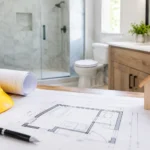
Bathrooms are among the most practical places to invest. They are used constantly, show wear quickly, and can make a home feel older than it is. A clean, updated bathroom with reliable plumbing, good lighting, durable tile, and sufficient storage tells buyers that the home has been maintained.
The best bathroom upgrades focus on lasting function rather than trends that may feel dated in a few years. Replacing a worn tub or shower, improving ventilation, installing a quality vanity, updating fixtures, and correcting water-damaged surfaces can have a meaningful effect. In a primary bathroom, a more comfortable shower layout and better storage can also improve how owners use the home every day.
There is a trade-off. Premium materials and custom features can be worthwhile when they fit the home, but it is easy to overspend on a bathroom in a modestly priced property. A contractor can help balance design goals with a scope that makes sense for your location and long-term plans.
Kitchen improvements that solve real problems
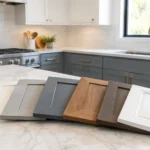
A kitchen does not need a full gut renovation to add value. Sometimes the right combination of cabinet refinishing or replacement, updated countertops, improved lighting, new flooring, and functional storage can transform the room without moving every wall or utility line.
When a full kitchen remodel is appropriate, focus first on layout and durability. Buyers tend to respond to kitchens with usable counter space, logical appliance placement, dependable cabinetry, and finishes that feel current without being overly personalized. Custom cabinetry can be especially valuable when it solves an obvious storage issue or makes an awkward kitchen work better.
Avoid assuming every high-end feature produces a matching return. Commercial-style appliances, specialty finishes, or a major layout change may be a good personal choice, but the resale benefit depends on the neighborhood, the home’s price range, and buyer expectations.
Flooring and paint: broad appeal at a manageable scope
Few improvements refresh a home as quickly as consistent flooring and fresh interior paint. Worn carpet, scratched floors, mismatched materials, and heavily personalized wall colors can distract buyers from a home’s better features.
Updating flooring can make rooms feel larger and more connected, particularly in main living areas. The right product depends on traffic, pets, moisture exposure, and budget. Durable options with a clean, timeless appearance are usually safer choices than materials selected only for a short-lived trend.
Paint is equally useful when preparation is handled correctly. Smooth repairs, clean lines, and neutral but welcoming colors make a home look maintained. This is not about making every room bland. It is about giving prospective buyers a clean backdrop where they can picture their own furniture and routines.
Laundry rooms and practical storage
Smaller functional spaces can influence how buyers feel about a home. A laundry room with better storage, a work surface, improved lighting, or a more efficient layout may not be the headline feature in a listing, but it supports the sense that the home is easy to live in.
The same applies to built-in storage, organized mudroom-style areas, and well-designed cabinetry. These projects tend to add the most value when they address a visible lack of function rather than adding detail for its own sake.
Projects That Protect Value Before They Add It
Not every valuable improvement is glamorous. Roofing repairs or replacement, water-damage correction, ventilation improvements, and other necessary maintenance may not create the same visual excitement as a new kitchen. Still, they can be essential to protecting a property’s value.
Buyers are often willing to update cosmetic finishes after closing. They are less willing to take on a roof near the end of its life, signs of moisture damage, or a bathroom with unresolved plumbing concerns. Leaving major maintenance issues unaddressed can lead to inspection negotiations, delayed sales, or lower offers.
If your budget requires a choice, address conditions that threaten the home first. Then direct remaining funds toward the rooms and finishes buyers will experience most often.
How to Decide What Your Home Needs
Before choosing materials or collecting estimates, consider your timeline. A homeowner selling within the next year should prioritize repairs, broad appeal, and projects with visible results. Someone planning to stay for 10 years can place more weight on personal comfort, accessibility, and features that make daily routines better.
It also helps to assess the homes around you. Look at the general level of finish in comparable properties, not just the most expensive house in the area. If nearby homes have updated kitchens, modern bathrooms, and cohesive flooring, a house with original finishes may be at a disadvantage. If your home is already among the most updated properties nearby, a major luxury upgrade may have less resale upside.
A realistic budget should include more than the visible materials. Proper demolition, preparation, permits when needed, plumbing or electrical adjustments, waterproofing, and skilled installation all affect the durability of the final result. Cutting corners behind walls or beneath tile can erase the benefit of an otherwise attractive renovation.
Can Remodeling Increase Home Value Without Overimproving?
Yes, when the project is tied to the home’s condition and the needs of likely buyers. The safest improvements usually make a home cleaner, more functional, more durable, and more visually cohesive. They also avoid highly specific choices that narrow the audience.
That does not mean every selection must be plain. A well-chosen tile, a warm cabinet finish, or a distinctive light fixture can give a room personality. The difference is whether the design feels intentional and balanced or so personal that a buyer immediately begins calculating the cost to change it.
Quality workmanship is central to the result. Uneven tile, poor paint preparation, doors that do not align, and rushed finishing can undermine even an expensive design. Clear communication, a detailed scope, and an experienced remodeling team help prevent the costly corrections that often follow poorly managed projects.
For homeowners who want informed guidance, Oak Custom Remodeling approaches each project with both daily use and long-term value in mind. The right renovation should feel like an improvement the moment it is complete, not a question mark when it is time to sell.
Start with the rooms that create the greatest friction in your home or the clearest concern for a future buyer. When the scope is practical, the design fits the property, and the work is completed with care, remodeling can support a stronger home value while giving your household a better place to live.