
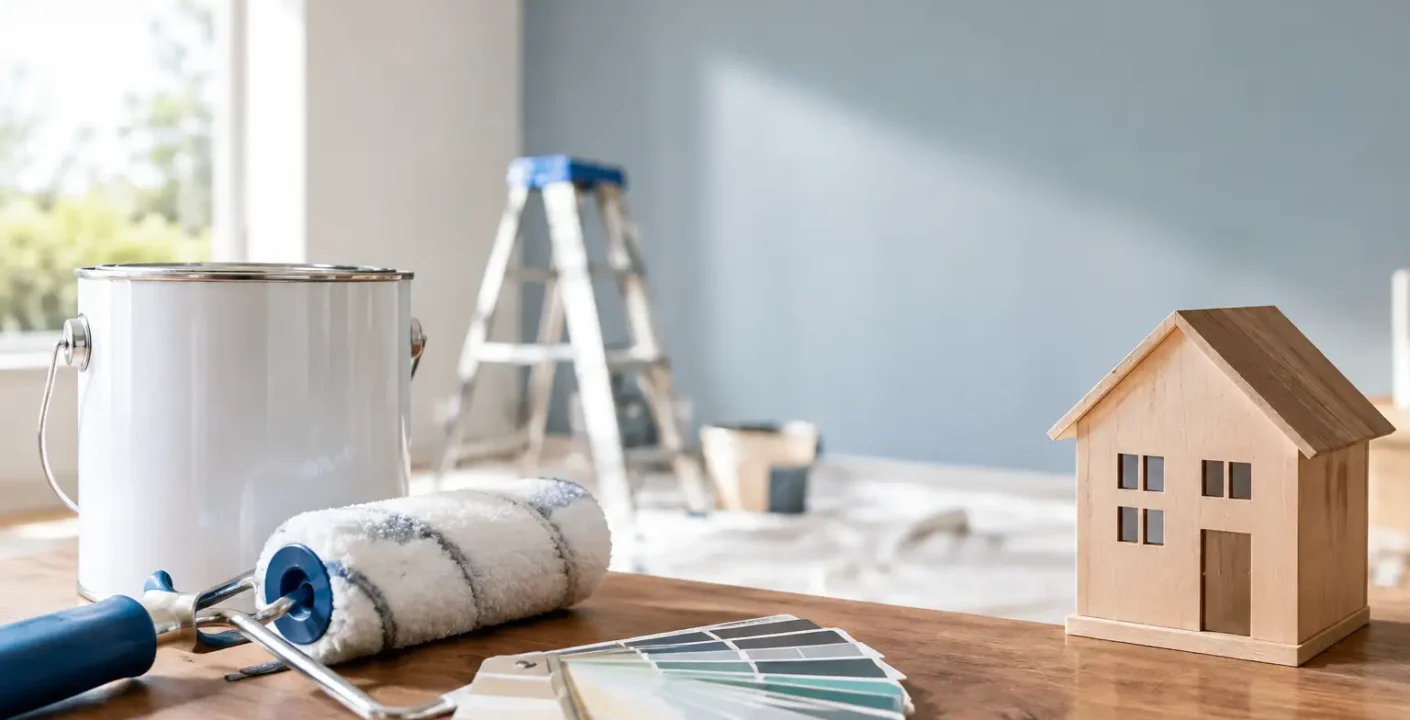
A buyer walks into a home and notices scuffed baseboards, a stained ceiling, and three different wall colors before they notice the square footage. That reaction matters. Does repainting improve appraisal value? Often, it can help support a better appraisal by improving the home’s observable condition, but fresh paint is not a guaranteed dollar-for-dollar increase.
For homeowners in Sachse and across the Dallas-Fort Worth area, repainting is frequently one of the most practical updates to make before selling, refinancing, or completing a larger remodel. The key is understanding what paint changes in the eyes of an appraiser, what it changes for buyers, and when the investment is worth making.
Does Repainting Improve Appraisal Value in Every Home?
Repainting can improve appraisal value when it corrects visible condition issues that make a property appear poorly maintained. Appraisers assess a home’s overall condition along with its location, size, features, updates, and recent comparable sales. They do not typically assign a fixed amount for a new coat of paint. Instead, paint can influence the condition rating and help the home compete more favorably with comparable properties.
This distinction is important. A well-executed paint job may not turn a $400,000 home into a $440,000 home on its own. But if nearby homes are clean, updated, and move-in ready while yours has faded walls, nail holes, peeling trim, or outdated colors, repainting can help prevent a lower value perception.
Fresh paint also helps remove distractions. When walls look clean and consistent, appraisers and prospective buyers can focus on the home’s layout, natural light, flooring, cabinetry, and other real value drivers. A worn interior can make even a structurally sound home feel like it needs more work than it actually does.
Paint Helps Most When It Solves a Visible Problem
The best value from repainting comes from addressing condition rather than simply changing a color that is still in good shape. Peeling exterior paint, water-stained ceilings, heavily marked walls, smoke discoloration, and damaged trim can raise concerns about deferred maintenance. Paint alone will not fix the cause of those problems, but proper repairs followed by professional painting can show that the issue has been handled correctly.
Interior repainting is especially helpful in high-traffic areas. Entryways, hallways, living rooms, kitchens, stairwells, and children’s bedrooms tend to show daily wear quickly. A consistent, clean finish can make the entire home feel better cared for.
Exterior paint can have an even stronger effect when curb appeal is weak. In North Texas, intense sun, heat, rain, and shifting weather can fade surfaces and wear down caulking over time. A refreshed exterior, completed with proper surface preparation, can make a home look maintained from the moment someone pulls up to the curb.
Neutral Colors Usually Support a Wider Market
Color is personal, but an appraisal and a sale both benefit when a home feels broadly appealing. Neutral does not have to mean plain white walls throughout the house. Soft warm whites, light greiges, muted beiges, and balanced gray tones often photograph well and work with a wide range of flooring, cabinets, and furnishings.
Highly specific colors can narrow buyer appeal. A dark red dining room, bright accent walls in every bedroom, or dated faux finishes may not reduce an appraisal by a set amount, but they can reinforce a perception that the house will require work after closing. That perception can affect buyer offers and, ultimately, the comparable sales an appraiser has available to review.
The right color also depends on the home. A modern kitchen with white cabinetry may suit a different wall color than a traditional home with warm wood floors. The goal is not to follow a trend blindly. It is to create a clean, cohesive look that fits the property.
Appraisal Value and Resale Value Are Related, Not Identical
Homeowners sometimes expect paint to produce an immediate, measurable appraisal increase equal to the cost of the project. That is rarely how it works. An appraisal is based primarily on market evidence, especially recent sales of similar homes in the area. If comparable homes have sold within a narrow range, paint alone cannot push a property far beyond that range.
However, repainting can support resale value in a more direct way. Homes that look clean, current, and move-in ready often attract stronger interest. More interest can mean better offers, fewer repair objections, and less pressure to reduce the price after inspections. If the home sells for a stronger price, that sale becomes market evidence for future appraisals.
This is why paint often makes sense as part of a broader pre-sale strategy. It works particularly well alongside flooring replacement, minor drywall repair, updated lighting, cabinet refinishing, and bathroom or kitchen improvements that fit the neighborhood’s price point.
When Repainting Is Worth the Cost
A repainting project is usually a smart investment when the existing paint is visibly worn, the colors are dated or inconsistent, or the home needs a polished appearance before it is listed. It may also be worthwhile before a refinance if the property’s condition has declined or if recent remodeling deserves a cleaner presentation.
It is less likely to be the first priority if the home has larger unresolved issues. A leaking roof, damaged flooring, outdated electrical work, foundation concerns, or a failing HVAC system will carry more weight than wall color. Spending the entire improvement budget on paint while ignoring major repairs can leave homeowners disappointed with the outcome.
The condition of surrounding homes matters too. In a neighborhood where comparable properties have updated kitchens, remodeled bathrooms, and newer finishes, a basic repaint may help your home avoid falling behind, but it may not close a major feature gap. Conversely, if your home is already well updated, fresh paint can be the finishing touch that keeps it competitive.
Quality of Work Affects the Result
Not all paint jobs create the same impression. Drips, uneven cut lines, missed repairs, flashing, and poorly prepared surfaces can make a room look rushed. A professional result starts before the paint is opened: repairing drywall, addressing nail pops, sanding rough areas, caulking gaps, protecting floors and fixtures, and using appropriate primers where needed.
For exterior projects, preparation is even more critical. Loose paint must be removed, damaged wood should be repaired, and gaps should be sealed before a new finish is applied. Painting over a moisture problem or deteriorated surface may improve appearance briefly, but it does not create lasting value.
Homeowners should also keep receipts, contractor invoices, and before-and-after photos for meaningful improvement work. An appraiser may not assign a specific added value for every project, but documentation can help communicate the home’s maintenance and update history.
Choosing the Right Scope Before an Appraisal or Sale
If time and budget are limited, focus on the areas buyers and appraisers notice first. The entry, main living areas, kitchen, hallways, primary bedroom, and bathrooms are typically stronger priorities than closets or seldom-used rooms. Repairing stains and damage is more important than repainting a room that already looks clean.
For a home going on the market, consistency matters. Two freshly painted rooms next to several heavily worn rooms can make the unfinished areas stand out more. A contractor can help identify whether targeted touch-ups, repainting key rooms, or completing the full interior will produce the most balanced result.
At Oak Custom Remodeling, we often advise homeowners to look at paint as part of the home’s overall presentation, not as an isolated upgrade. The most effective plan is the one that addresses visible wear, fits the home’s style, and supports the larger goals of selling, refinancing, or enjoying the space for years to come.
Fresh paint will not replace a needed kitchen remodel or solve a major repair issue. But when it is applied with careful preparation and a clear purpose, it can make a home feel maintained, current, and ready for its next chapter – which is exactly the kind of condition that supports confidence from appraisers and buyers alike.