

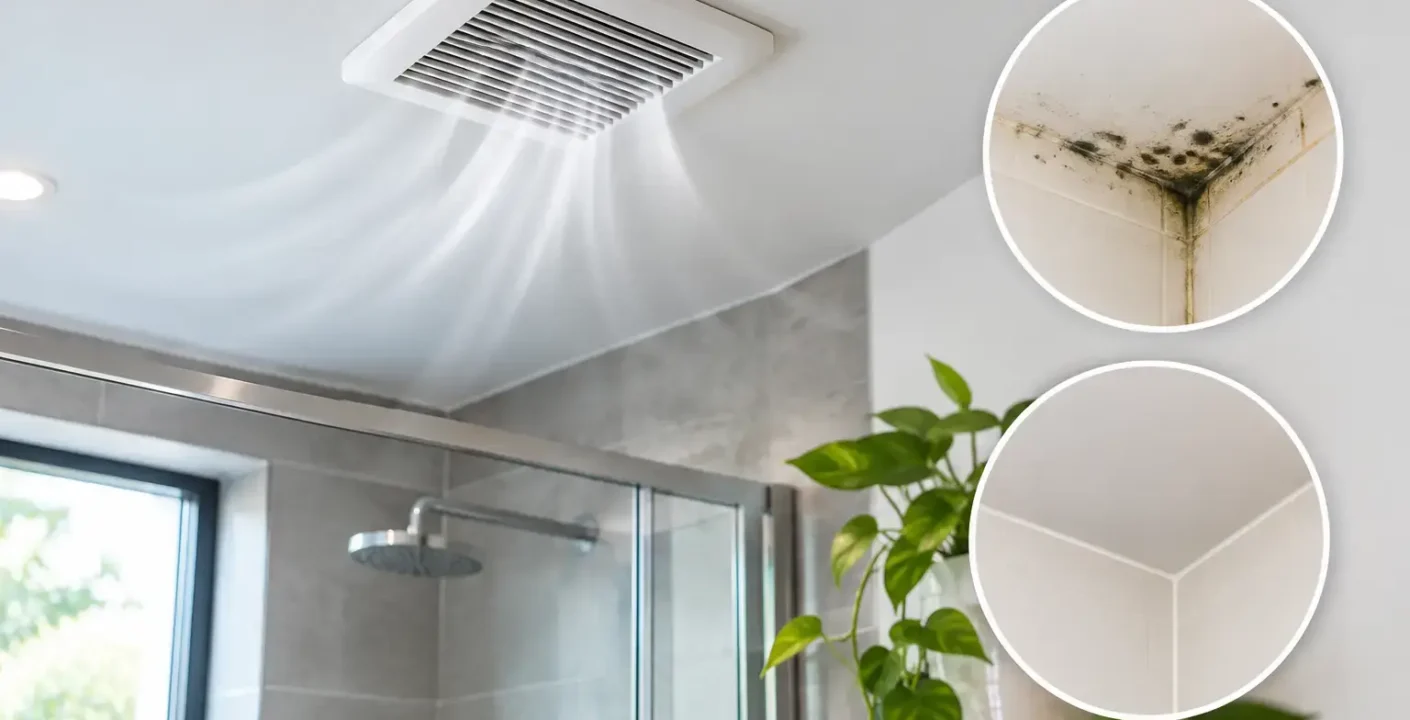
A bathroom can look spotless and still be holding a moisture problem behind the walls, under the flooring, or above the ceiling. So, does bathroom ventilation prevent mold? Yes, when it is properly designed, vented outdoors, and used consistently. It is one of the most effective ways to reduce the damp conditions mold needs to grow, but it is not a complete substitute for fixing leaks, sealing wet surfaces, and addressing existing damage.
For homeowners in Sachse and across the Dallas-Fort Worth area, ventilation matters even more during humid stretches. A long hot shower can leave moisture on mirrors, walls, grout, cabinetry, and drywall. If that moisture has nowhere to go, it settles into the room and creates a recurring risk that eventually becomes more expensive than a fan replacement or thoughtful bathroom upgrade.
Does Bathroom Ventilation Prevent Mold Completely?
Bathroom ventilation helps prevent mold by removing humid air before it condenses on cool surfaces. Mold spores are naturally present in most homes. The goal is not to eliminate every spore. The goal is to deny spores the moisture and organic material they need to establish a colony.
An exhaust fan that moves air outside lowers indoor humidity, dries painted walls and ceilings faster, and limits the moisture that can enter porous materials. This is especially valuable around shower surrounds, window trim, vanity cabinets, drywall seams, and ceiling corners. It also helps control the musty odors that often appear before visible mold does.
Still, ventilation cannot solve every cause of mold. A fan will not correct a leaking shower pan, failed plumbing connection, roof leak, or damaged caulk joint that allows water behind tile. It also cannot dry materials that have already stayed wet for days. Think of ventilation as daily prevention, not a repair for concealed water damage.
Why Bathrooms Develop Mold So Easily
Bathrooms combine three conditions mold prefers: warmth, moisture, and materials it can feed on. Soap residue, dust, paper-faced drywall, wood framing, and the backing behind some finishes can all support growth once moisture remains for too long.
The visible signs are familiar: black or green spotting on grout, darkened caulk, peeling paint, stained ceilings, and mildew odors. But the most concerning areas are not always visible. Moisture can collect behind a loose tile, beneath vinyl flooring, inside a vanity base, or in an unvented ceiling cavity.
North Texas homes can face a particular challenge when air-conditioned rooms meet warm, humid outdoor air. Condensation around ducts, exterior walls, and poorly insulated surfaces can add to the humidity from bathing. A bathroom that dries slowly every day may seem minor, but repeated exposure is what creates long-term problems.
What Effective Bathroom Ventilation Looks Like
A working fan is not automatically an effective fan. Many homeowners have a unit that makes noise but moves very little air, or one that vents into an attic instead of outside. Both situations leave moisture where it can cause damage.
A properly installed exhaust fan should be sized for the room and ducted directly to the exterior through an appropriate termination. The duct run should be as short and straight as practical, with connections sealed and insulated where needed. Long, crushed, or disconnected ductwork reduces airflow and may allow condensation to collect inside the system.
For a typical residential bathroom, fan capacity is measured in CFM, or cubic feet per minute. A small powder room may need only modest airflow, while a larger primary bathroom with a shower, tub, enclosed toilet area, or high ceilings often needs more capacity. Bigger is not always better if the fan is poorly ducted or so loud that no one uses it. The right selection balances airflow, noise level, layout, and installation conditions.
Venting to the attic is not enough
Sending bathroom air into an attic simply relocates the moisture problem. Humid air can condense on framing, roof decking, insulation, and HVAC components, leading to staining, wood deterioration, and attic mold. The exhaust must travel all the way outside.
If you see attic moisture, roof-deck discoloration, wet insulation near a duct, or bathroom odors that persist despite a fan, it is worth having the ventilation path inspected. A small duct correction can prevent larger repairs later.
A window helps, but it is not dependable ventilation
Opening a window can improve airflow on a mild, dry day. It is not a reliable moisture-control plan, especially during humid weather or when privacy, security, pollen, and outdoor temperatures make an open window impractical. Mechanical exhaust gives homeowners a consistent way to remove moisture regardless of the season.
How to Use Your Exhaust Fan for Better Mold Prevention
Even a correctly installed fan needs to run long enough to do its job. Turn it on before or at the start of a shower, then leave it running for at least 20 minutes afterward. Larger bathrooms, longer showers, and bathrooms without windows may need more time.
A timer switch or humidity-sensing control is often a practical upgrade. It removes the guesswork and prevents the common habit of turning the fan off as soon as the shower ends. Humidity sensors are particularly helpful in busy family bathrooms, where the room may be used several times in a morning.
Keep the bathroom door slightly open after bathing if privacy allows, and avoid leaving wet towels piled on the floor. Wipe standing water from shower ledges, glass doors, and window sills. These small habits do not replace exhaust ventilation, but they shorten drying time and reduce the moisture load on the room.
When the Fan Is Not the Real Problem
If mold keeps returning in the same location after cleaning, look beyond surface moisture. Repeated growth near a shower curb, baseboard, ceiling stain, or cabinet wall can point to a leak or construction issue.
Common causes include cracked grout, failed caulk, loose shower valves, leaking supply lines, damaged toilet seals, and water getting behind an aging tub or shower surround. In older bathrooms, inadequate waterproofing behind tile can allow moisture into the wall even when the tile surface looks intact. Cleaning the visible mold without correcting the source only resets the cycle.
Pay attention to paint that bubbles, drywall that feels soft, tile that sounds hollow, warped baseboards, or a persistent earthy smell. Those signs justify a closer evaluation before cosmetic repairs are made. Covering damaged material with new paint or trim can hide a problem temporarily, but it will not protect the structure or your remodeling investment.
Ventilation Upgrades Worth Considering During a Remodel
A bathroom remodel is the best time to correct ventilation issues that are difficult to access later. Walls and ceilings are open, duct routes can be improved, and the fan can be matched to the finished room instead of treated as an afterthought.
A thoughtful plan may include a quiet, properly sized exhaust fan; exterior ducting with insulated runs; a timer or humidity sensor; and a bathroom layout that supports drying. Moisture-resistant drywall in appropriate locations, durable shower waterproofing, quality caulk, and well-sealed transitions around plumbing fixtures all work together with ventilation.
For a primary bathroom with a large shower, freestanding tub, or enclosed water closet, one fan may not serve every area equally well. The shower zone is usually the highest-priority location, but a separate fan or a better duct strategy may be warranted depending on the layout. This is where an experienced remodeler can evaluate the full room rather than recommending a one-size-fits-all solution.
Oak Custom Remodeling approaches bathroom improvements with the long-term performance of the room in mind, not just the finishes you can see on installation day. Proper airflow and moisture management protect tile, cabinetry, paint, flooring, and the value of the work itself.
A Simple Test for Your Current Fan
Start by checking whether the fan actually exhausts outdoors and whether airflow is noticeable at the exterior vent while it is running. A fan that suddenly becomes louder, rattles, or seems weak may need cleaning, repair, or replacement. Dust buildup on the grille and motor can reduce performance over time.
You can also watch how long the bathroom stays foggy after a shower. If mirrors, walls, and ceilings remain wet well after you finish, the room is not drying efficiently. That does not automatically mean the fan is undersized, but it is a useful sign that the ventilation, ductwork, or daily routine needs attention.
Mold prevention is rarely about one dramatic fix. It is about making sure water stays where it belongs, humid air has a path outside, and your bathroom dries quickly after everyday use. If a room is showing recurring stains, odors, or moisture damage, addressing it now can protect far more than the appearance of the space.