
A bathroom may be one of the smallest rooms in a home, but it can involve some of the biggest decisions. When the shower is opened up, old plumbing is exposed, tile choices are still undecided, or a needed fixture is backordered, progress can stop quickly. Understanding why bathroom remodels stall helps homeowners avoid the frustration of a project that feels unfinished for weeks longer than expected.
Most delays are not caused by one dramatic mistake. They usually come from a series of small issues: an unclear scope, late selections, hidden water damage, permit requirements, or missed communication between the homeowner and contractor. The good news is that many of these issues can be anticipated with the right planning and a contractor who manages the work closely.
Why Bathroom Remodels Stall Before Work Gets Far
A remodeling schedule works best when the design, materials, labor, and site conditions line up. If one piece changes, the rest of the schedule may need to adjust. That does not always mean someone has done poor work. It does mean the project needs clear leadership and honest communication.
The scope was never fully defined
A homeowner may begin with a straightforward goal: replace the tub, update the vanity, and install new tile. Once demolition starts, the project can expand. Maybe the layout no longer makes sense, the vanity needs to move, or the homeowner decides the small shower should become a larger walk-in shower.
Those changes can improve the finished bathroom, but they affect labor, materials, plumbing, electrical work, and cost. A change made after work is underway often requires revised ordering and rescheduling. Before construction begins, it helps to agree on what is included, what is excluded, and how changes will be handled if they become necessary.
Material selections were left too late
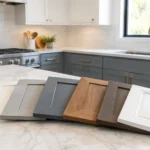
Tile, vanities, faucets, lighting, mirrors, shower glass, and specialty fixtures all have their own availability. A homeowner may find the perfect wall tile only to learn it will not arrive for six weeks. A vanity that appears available online may be unavailable in the required size or damaged during delivery.
This is one of the most common reasons a bathroom sits partially complete. The contractor may be ready to install, but essential pieces are not on site. Ordering key materials early and confirming lead times protects the schedule. It is also wise to have a second choice for items with uncertain availability, especially custom cabinetry, specialty tile, and shower doors.
Hidden damage changes the plan
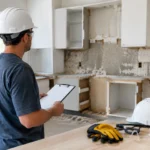
Behind older tile and tubs, contractors sometimes find water damage, mold concerns, deteriorated subflooring, leaking plumbing, or framing that does not meet current needs. In North Texas homes, past plumbing leaks and long-term moisture around showers can create problems that were not visible before demolition.
No responsible contractor should simply cover over damaged materials to stay on schedule. Repairs may add time, but correcting the issue protects the home and helps the new bathroom last. The key is prompt documentation, a clear explanation of the repair needed, and a written plan for the additional work.
The Decisions That Slow Bathroom Remodeling Down
A bathroom remodel includes more choices than many homeowners expect. Decisions about tile direction, grout color, niche placement, fixture finish, vanity height, and lighting can all affect the next phase of work. When those choices remain open, installers may have to pause rather than guess.
Design decisions are made during installation
Some decisions can wait, but many cannot. A shower niche must be framed before tile is installed. The placement of sconces must be known before electrical work is completed. Plumbing rough-ins depend on the selected tub, faucet, and vanity configuration.
Making these decisions before demolition gives the project momentum. It also reduces costly rework. For example, changing from a standard vanity to a wall-mounted vanity may require moving plumbing and adjusting wall support. That is manageable in the planning stage and more disruptive after walls have already been closed.
Budget expectations and the actual scope do not match
A bathroom budget must cover more than visible finishes. Demolition, waterproofing, plumbing, electrical updates, drywall, paint, ventilation, permits, labor, and disposal all matter. A lower initial estimate may not include every item needed for a complete, durable remodel.
When homeowners discover unplanned costs midway through the project, they may need time to reconsider selections or adjust the scope. A detailed proposal is valuable because it makes the investment easier to understand before work begins. It should also explain how unforeseen conditions and requested changes are priced.
Why Bathroom Remodels Stall During Construction
Once construction starts, the work happens in a specific order. Demolition comes before framing repairs. Plumbing and electrical rough-ins happen before drywall. Waterproofing must be completed correctly before tile installation. Rushing one stage can create a problem in the next.
Skilled trades must be coordinated
Bathrooms require multiple professionals, often including demolition crews, plumbers, electricians, drywall installers, painters, tile installers, countertop fabricators, and glass installers. Some work cannot begin until another trade has finished and the area is ready.
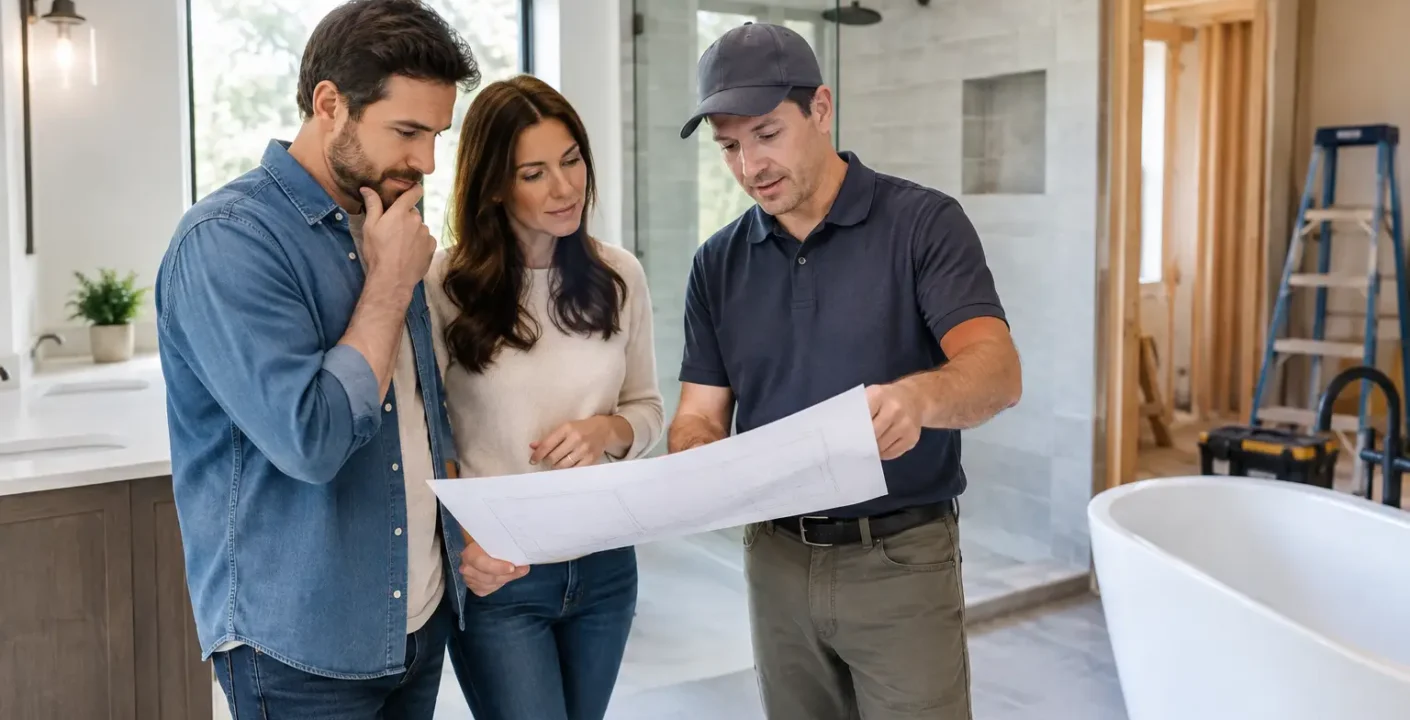
A dependable remodeling contractor coordinates this sequence instead of leaving the homeowner to chase separate subcontractors. Scheduling still has real-world limits, particularly when specialized work is involved, but active project management keeps small scheduling conflicts from becoming long delays.
Inspections and permits take time
Depending on the scope and local requirements, plumbing or electrical changes may require permits and inspections. Inspection availability is outside the contractor’s complete control, and work may need to pause until an approved stage is confirmed.
This can feel inconvenient, but permits and inspections serve a purpose. They help verify that safety-related work is completed correctly. Homeowners should be cautious about anyone who dismisses permits without first evaluating what the project requires.
The final items have the longest lead times
A bathroom can look almost finished while waiting on one final component. Custom shower glass is a common example. It usually cannot be measured until tile is complete, then fabricated after measurements are confirmed. Countertops may follow a similar process, especially when a custom vanity top is selected.
This final stretch can be frustrating because the room is visibly close to completion. Still, those last details should be measured and installed carefully. Trying to rush custom glass or stone fabrication can lead to poor fit, damage, or unnecessary replacement costs.
How to Prevent a Bathroom Remodel From Losing Momentum
Homeowners cannot control every surprise behind a wall or every supplier delay. They can, however, make choices that reduce risk before the first tile comes down. A strong pre-construction process should cover these practical points:
- Finalize the layout, fixtures, tile, lighting, and finish selections as early as possible.
- Confirm product lead times and order long-lead items before demolition begins.
- Set aside a reasonable contingency for concealed damage or necessary code-related work.
- Review the construction sequence so you understand when the bathroom will be unusable.
- Establish one clear point of contact for questions, change requests, and schedule updates.
Communication is especially important once work is underway. If a homeowner wants to change a fixture, add a recessed niche, or switch tile patterns, raising the question immediately gives the contractor more options. A quick conversation can prevent a small change from disrupting multiple stages of the project.
Choosing a Contractor Who Keeps the Work Organized
The lowest quote is not always the least expensive path when delays, missing details, and rework are considered. A bathroom contractor should be able to explain the scope in plain language, identify likely scheduling factors, and provide updates when conditions change.
Ask how the company handles material ordering, change orders, permit needs, and unexpected damage. Look for a contractor with completed local projects, consistent reviews, and a process for coordinating the trades involved. Experience matters most when the project moves beyond cosmetic updates and involves waterproofing, plumbing changes, electrical work, or structural repairs.
For homeowners in Sachse and the greater Dallas-Fort Worth area, Oak Custom Remodeling approaches bathroom projects with the planning and hands-on coordination needed to keep decisions, materials, and workmanship moving in the right order.
A well-managed bathroom remodel does not promise that nothing unexpected will happen. It gives you a practical path for handling surprises without losing sight of the finished room: a comfortable, functional space built to serve your home for years.