
A kitchen can look dated long before it stops working, but the best kitchen upgrades do more than refresh the appearance. They remove everyday frustrations: crowded prep areas, dark countertops, cabinets that waste space, and finishes that are difficult to keep clean. For North Texas homeowners, the right improvements can make the kitchen more enjoyable now while supporting resale value later.
The key is choosing upgrades that fit the way your household actually uses the room. A family that cooks most nights needs different solutions than an owner preparing a property for sale. Instead of chasing every trend, focus your budget on the changes that improve function, durability, and visual consistency.
Best Kitchen Upgrades for Function and Value
A successful kitchen remodel usually begins with the elements you touch every day. Cabinets, countertops, lighting, flooring, and layout have a larger effect on daily life than small decorative updates. These choices also establish whether the kitchen feels thoughtfully remodeled or simply patched together.
1. Improve the Layout Before Choosing Finishes
Homeowners often start with cabinet colors or countertop samples, but layout deserves attention first. If the refrigerator door blocks a walkway, the sink is isolated from the dishwasher, or two people cannot work in the kitchen at once, new finishes alone will not solve the real problem.
A practical layout creates clear paths between the refrigerator, sink, cooktop, pantry, and primary prep area. In many existing homes, a modest adjustment can make a major difference. Moving an island, widening an opening to the dining area, relocating a range, or replacing a bulky peninsula may create better circulation and usable counter space.
Structural changes and plumbing relocations add cost, so they are not automatically the best choice. When the existing layout works reasonably well, keeping plumbing and major appliances in place can leave more of the budget for higher-quality cabinetry, countertops, and lighting. A knowledgeable remodeling contractor can help identify which layout changes will have a meaningful return.
2. Invest in Cabinets That Solve Storage Problems
Cabinet replacement is one of the most visible kitchen investments, but its value goes beyond appearance. Well-designed cabinets make it easier to organize cookware, groceries, small appliances, and cleaning supplies without overfilling countertops.
Custom cabinetry or thoughtfully planned semi-custom cabinets can address the storage gaps common in older kitchens. Deep drawers are often more useful than lower shelves because pots and pans are easier to reach. A pull-out trash cabinet keeps waste out of sight, while pantry pull-outs, tray dividers, and corner storage improve areas that typically go unused.
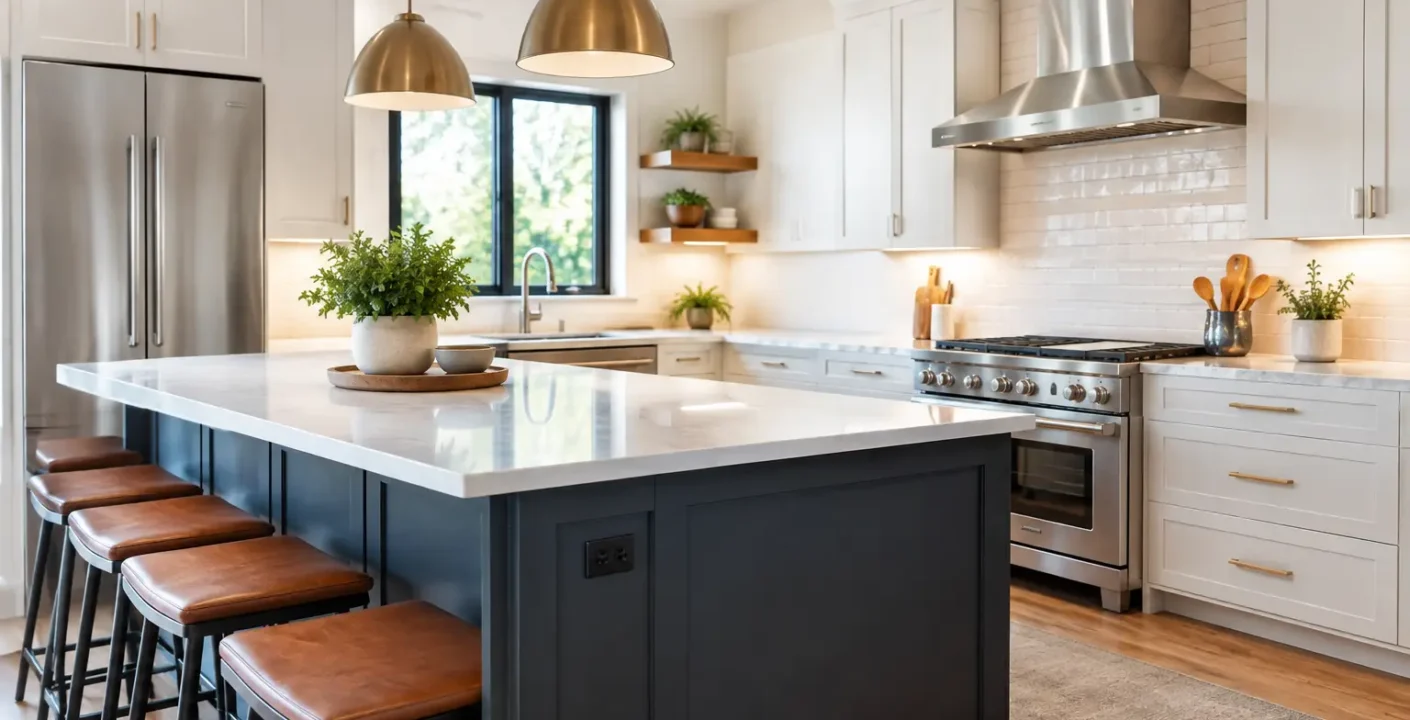
Cabinet quality matters. Soft-close hinges and drawer glides feel better over time, but construction is equally important. Look for durable boxes, reliable hardware, and finishes designed for a hardworking kitchen. White and wood-tone cabinets remain popular because they work with many styles, but the best color is one that fits the home’s overall character and receives enough light.
3. Choose Countertops for Real Life, Not Just the Showroom
Countertops cover a lot of visual space, which makes them one of the best kitchen upgrades for an immediate transformation. They also need to tolerate heat, spills, food preparation, and constant cleaning.
Quartz remains a practical choice for many busy households because it offers a consistent appearance and requires little maintenance. Natural stone can provide more variation and character, though some materials need periodic sealing and may be more susceptible to staining or etching. Granite remains a durable option, while porcelain slabs can be a strong fit for homeowners who want a modern look and excellent heat resistance.
There is no single right material. Consider how you cook, how much maintenance you are willing to take on, and whether the kitchen gets heavy daily use. A beautiful countertop that causes constant worry is rarely a satisfying long-term choice. Pair the countertop with a full-height backsplash when the budget allows. Extending the material up the wall creates a clean, finished appearance and reduces the number of grout lines behind the range.
4. Add Layered Lighting Where It Matters
Many kitchens rely on one central ceiling fixture, leaving work areas in shadow. Better lighting is a relatively targeted upgrade with an outsized effect on safety, comfort, and appearance.
Start with general lighting, often recessed fixtures that provide even coverage across the room. Then add task lighting under upper cabinets to brighten counters where chopping, reading recipes, and preparing meals take place. Decorative pendants over an island or dining area can provide personality, but they should supplement functional lighting rather than replace it.
Dimmer switches are especially useful in open-concept homes. Bright light helps during meal preparation and cleanup, while softer lighting makes the same space more comfortable for dinner or entertaining. Pay attention to fixture placement and color temperature. Lighting that is too cool can make a kitchen feel harsh, while lighting that is too warm can distort the appearance of white cabinets and finishes.
5. Upgrade Appliances With the Layout in Mind
New appliances can refresh a kitchen quickly, but they should support the design rather than dictate it. Before buying, verify dimensions, door swing clearance, electrical needs, ventilation requirements, and how each appliance relates to nearby work zones.
A counter-depth refrigerator may improve a tight walkway, while a larger standard-depth model may make more sense for a household that needs additional food storage. A quiet dishwasher is a worthwhile consideration in kitchens open to living areas. For serious cooks, a properly vented range hood can be more valuable than a more expensive range because it helps control heat, odors, and grease.
Avoid selecting appliances solely for smart features. Connected functions can be convenient, but dependable performance, service availability, and energy efficiency should carry more weight. Integrated panel-ready appliances create a polished look, though they usually require a larger budget and careful cabinet planning.
Kitchen Upgrades That Make the Room Feel Finished
Once the major functional decisions are in place, smaller details can elevate the whole renovation. These are not substitutes for sound planning, but they help the kitchen feel intentional and complete.
Hardware is a good example. New pulls and knobs can change the look of cabinets, but size and placement matter. Longer pulls often work well on wide drawers, while knobs may suit smaller doors. The finish should coordinate with faucets, lighting, and nearby hardware without forcing every metal to match exactly.
A new backsplash also provides an opportunity to add texture or color. Simple subway tile is durable and versatile, while larger-format tile creates fewer grout lines. If you prefer a bold pattern, use it deliberately. A kitchen has several competing surfaces already, including cabinets, counters, flooring, and appliances. Let one or two features take the visual lead instead of asking every finish to stand out.
Flooring should be selected with the rest of the home in mind. Porcelain tile offers excellent durability, while quality luxury vinyl plank can provide a warmer feel and a more forgiving surface underfoot. Hardwood can create continuity in open living areas, but it requires realistic expectations around water, scratches, and maintenance. The best choice depends on your household, pets, and whether the kitchen connects directly to other flooring.
Where to Spend and Where to Be Careful
Kitchen renovations involve many decisions, so a clear priority list protects the budget. Spend where performance matters most: cabinet construction, countertop installation, lighting, flooring preparation, plumbing work, and ventilation. These are difficult or expensive to correct after the project is complete.
Be more cautious with trends that may date quickly or limit future flexibility. Highly specific cabinet colors, dramatic patterned tile, and unusual appliance finishes can look striking, but they may not appeal to every future buyer. That does not mean every kitchen should be neutral. It means personal style should be balanced with a design that still feels cohesive and well-built.
It also helps to reserve a contingency fund for older homes. Once walls or flooring are opened, a remodel may reveal plumbing repairs, electrical updates, subfloor damage, or ventilation issues that were not visible at the start. Addressing these items correctly protects the value of the finished work.
For homeowners in Sachse and the greater Dallas-Fort Worth area, climate and local housing styles can also influence decisions. Durable flooring, effective ventilation, and materials that hold up to active family life tend to provide more lasting value than features selected only for a short-lived trend.
Plan the Upgrade Around Your Daily Routine
The most successful kitchen is not necessarily the largest or the most expensive. It is the one that makes weekday mornings easier, gives you enough room to prepare a meal, and holds up when family and friends gather at home. Before selecting materials, take a week to notice what slows you down in the current kitchen. That list will point you toward improvements that are worth making and help your remodel stay focused on results you will appreciate every day.